Medical shadowing and volunteering: Experience the full spectrum of healthcare in San Miguel de Allende
June 17, 2026

Medical shadowing and volunteering experiences can shape how students view healthcare, patient care, and their future careers. Yet many programs provide exposure to only one clinical setting, limiting a student’s understanding of how different healthcare disciplines work together.

At CRISMA, students experience something different. Located in the heart of San Miguel de Allende, our program combines humanitarian rehabilitation services with observation opportunities at two leading private hospitals. This unique structure allows participants to engage in meaningful medical student shadowing, gain valuable San Miguel de Allende clinical observation experience, and explore multiple healthcare environments within a single placement.

Instead of seeing just one piece of the healthcare system, students witness the full continuum of care: from rehabilitation and recovery to surgery, emergency medicine, diagnostic imaging, and specialist consultations.

Medical shadowing and volunteering across three healthcare facilities

Most healthcare observation programs place students in a single clinic or hospital department. CRISMA’s model is built around exposure to a broader range of healthcare experiences.

Participants have access to:

Together, these facilities create one of the most comprehensive shadowing programs for pre-med students and allied health students seeking meaningful clinical exposure abroad.

Start where compassion meets clinical practice: CRISMA Rehabilitation Clinic

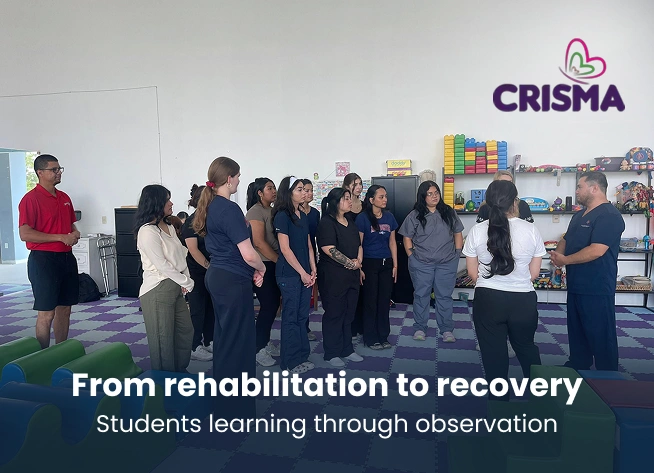
CRISMA’s rehabilitation center is where many students begin their journey. Here, they observe therapists and healthcare professionals working with children and adults facing physical, neurological, developmental, and communication challenges.

Physical therapy and rehabilitation

Students observe physical therapists helping patients improve movement, strength, balance, and independence. Many participants gain exposure to neurological rehabilitation, orthopedic recovery, and mobility-focused treatment programs.

This environment is especially valuable for students interested in international physical therapy internships, rehabilitation careers, or healthcare professions focused on long-term patient recovery.

Functional rehabilitation and daily living skills support

Students observe rehabilitation professionals working with patients to improve the skills needed for everyday living and greater independence at home, school, and work. Participants gain insight into treatment approaches that support functional recovery, adaptive strategies, and quality of life.

These experiences help students understand how rehabilitation extends beyond physical recovery and focuses on helping patients participate more fully in daily activities.

Speech and language therapy

Students interested in communication sciences and disorders gain valuable exposure to speech-language pathology services. Through observation, participants learn how therapists support patients with speech, language, cognitive, and swallowing challenges.

For students searching for opportunities similar to a speech therapy volunteering experience, CRISMA provides meaningful exposure within a multidisciplinary rehabilitation setting.

Humanitarian healthcare in action

Perhaps the most impactful aspect of the CRISMA experience is observing care provided to underserved populations. Students see firsthand how compassion, advocacy, and clinical expertise work together to improve lives.

These moments often become the experiences participants remember long after their placement ends.

Expand your perspective at La Clínica SMA

After gaining rehabilitation exposure, students can continue their learning journey at La Clínica SMA, one of San Miguel de Allende’s leading healthcare facilities.

Ambulatory surgery observation

Students observe outpatient surgical procedures and gain insight into pre-operative preparation, patient care coordination, and post-procedure recovery processes.

Watching healthcare teams work together in surgical settings helps students better understand the precision, communication, and planning required for successful outcomes.

Diagnostic imaging and laboratory services

Modern healthcare depends heavily on diagnostic information. Participants gain exposure to imaging workflows and laboratory processes that support clinical decision-making.

Observing these departments helps students appreciate how healthcare professionals use technology and testing to diagnose and manage patient conditions.

Integrated healthcare services

La Clínica SMA combines conventional medicine, rehabilitation services, and wellness-focused care. Students gain insight into how different treatment approaches can complement one another to support patient outcomes.

Experience full hospital care at MAC Hospitales

MAC Hospitales provides exposure to a comprehensive hospital environment with advanced medical services and specialists representing numerous healthcare disciplines.

Surgical services and operating rooms

Observing surgical procedures helps students understand the collaborative nature of healthcare. Surgeons, anesthesiologists, nurses, technicians, and support staff all play essential roles in patient care.

For many students, this is their first opportunity to witness healthcare delivery inside a modern operating room.

Emergency medicine

Emergency departments provide a unique perspective on healthcare. Students observe how clinical teams respond to urgent medical situations while prioritizing patient safety and rapid decision-making.

These experiences offer valuable insight into one of healthcare’s most dynamic environments.

Critical care and intensive care units

Students may also gain exposure to intensive care settings where multidisciplinary teams manage patients with complex medical needs.

Observing these environments highlights the importance of teamwork, communication, and evidence-based practice.

Specialist consultations

With specialists representing more than two dozen medical fields, participants gain insight into a wide range of healthcare careers and patient care approaches.

Why medical shadowing and volunteering across multiple settings matters

Patients rarely receive care in just one location.

A stroke survivor may begin treatment in a hospital, continue recovery through rehabilitation services, and later receive follow-up care from specialists. Understanding these transitions gives students a more complete picture of healthcare delivery.

A participant who observes rehabilitation therapy, hospital-based medicine, and surgical services develops a deeper appreciation for how healthcare professionals collaborate to improve patient outcomes.

That perspective is difficult to gain from a single-site observation experience.

Why students choose San Miguel de Allende clinical observation opportunities

San Miguel de Allende offers a unique combination of healthcare exposure, cultural immersion, and community engagement.

Unlike programs spread across multiple cities, CRISMA’s three-facility model allows students to maximize their learning time while minimizing travel.

Participants can spend up to 40 hours per week observing healthcare professionals and learning across rehabilitation, hospital, and specialty care environments.

For students exploring international medical volunteer opportunities, this structure creates a more immersive and meaningful educational experience.

Observer-only experiences with meaningful educational value

All hospital observations are conducted in compliance with facility policies, credentialing requirements, and patient privacy standards.

Students participate in an observer-only capacity while gaining valuable insight into clinical workflows, patient care processes, and interdisciplinary healthcare delivery.

This approach ensures that educational opportunities remain ethical, professional, and respectful of patient confidentiality.
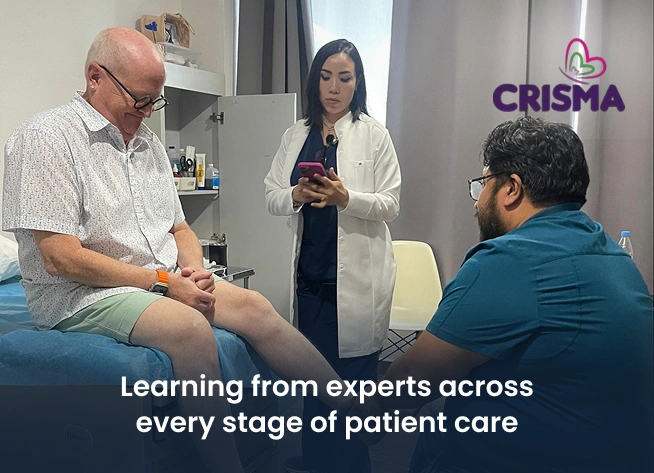
Medical shadowing and volunteering participants observing hospital care and surgical environments
Medical shadowing and volunteering participants gain exposure to surgery, emergency medicine, and specialist care through CRISMA’s hospital partnerships.

From observation to inspiration: Building the foundation for a future in healthcare

Healthcare careers require more than academic achievement. They require empathy, perspective, and a genuine understanding of patient experiences.

Through rehabilitation services at CRISMA and observation opportunities at two leading private hospitals, students gain exposure to a remarkable range of healthcare environments. Whether your goal is medicine, physical therapy, speech-language pathology, rehabilitation sciences, or another healthcare profession, medical shadowing and volunteering at CRISMA provides meaningful experiences that can help shape your future.

Ready to build clinical experience that truly matters?

Tell us your field of study, your career goals, and the number of observation hours you hope to complete. Our team will help you determine how CRISMA’s medical shadowing and volunteering program can provide meaningful exposure to rehabilitation, surgery, emergency medicine, and specialty care while making a real difference in the lives of others.

FAQs

1. What makes CRISMA’s medical shadowing and volunteering program different from other programs?

Most medical shadowing and volunteering programs offer exposure to only one healthcare environment. CRISMA provides access to three facilities: a rehabilitation clinic and two private hospitals, allowing students to observe rehabilitation therapy, surgery, emergency medicine, imaging services, and specialist consultations within one coordinated program.

2. What types of healthcare professionals can I observe during medical student shadowing?

Students may observe physical therapists, speech-language pathologists, physicians, surgeons, nurses, rehabilitation specialists, imaging professionals, and laboratory teams. Participants also gain exposure to rehabilitation programs focused on functional independence and daily living skills.

3. Is CRISMA a good choice for students seeking shadowing programs for pre-med students?

Yes. CRISMA is ideal for students who want exposure to multiple areas of healthcare before applying to medical school. Rather than limiting participants to one department, the program provides opportunities to observe rehabilitation, surgery, emergency care, and specialist consultations, creating a broader understanding of medicine.

4. How does CRISMA support San Miguel de Allende clinical observation experiences?

CRISMA offers structured clinical observation opportunities through partnerships with leading healthcare facilities in San Miguel de Allende. Students gain insight into patient care, rehabilitation, diagnostics, surgery, and hospital operations while learning from experienced healthcare professionals in real-world settings.

5. Can international students participate in the program?

Absolutely. CRISMA welcomes students from around the world who are seeking international medical volunteer opportunities and healthcare observation experiences. Housing, meals, and structured clinical exposure help make the experience accessible and rewarding for international participants.
Observation vs. Immersion: The Real Difference Between Job Shadowing Doctors at Home vs. Abroad

March 15, 2026

For many students pursuing a career in healthcare, a student shadowing program is often the first real step into the medical world. It offers a chance to step beyond textbooks and lectures and observe what daily life in medicine actually looks like. Watching physicians interact with patients, collaborate with medical teams, and make clinical decisions can provide a level of understanding that no classroom alone can deliver.

But not all shadowing experiences are the same. Some programs focus purely on observation, while others encourage deeper engagement with the clinical environment. The location of the program also plays a major role. Shadowing doctors in your home country can offer valuable exposure, but shadowing abroad often introduces a level of immersion that changes how students understand medicine altogether.

Understanding the difference between observation and immersion can help students choose the right student shadowing program for their goals and future careers.

What observation looks like in traditional shadowing programs

Many shadowing programs for pre-med students in the United States and other developed countries follow strict hospital guidelines. These regulations exist to protect patient privacy and ensure safety, which is important. However, they also limit how involved students can be.

In many local shadowing experiences, students spend their time quietly observing physicians from the sidelines. They may follow a doctor through rounds, listen to consultations, and watch procedures from a distance. While this exposure is helpful, it often leaves students with a limited role in the clinical environment.

Students typically cannot participate in tasks, interact directly with patients, or assist with simple procedures. The experience becomes more like watching medicine happen rather than being part of it.

For some students, this observational format can feel passive. They gain insight into workflow and hospital structure, but they may finish the program wishing they had been able to engage more deeply.

The immersive nature of international shadowing

A student shadowing program abroad often offers a different experience. Many international healthcare settings encourage students to engage more actively with the environment while still respecting safety guidelines.

Instead of simply standing back and observing, students may be invited to participate in guided activities. This can include learning basic clinical skills, assisting with simple medical tasks, and participating in discussions about diagnoses and treatment decisions.

Immersion does not mean replacing professional medical staff. Instead, it means being included in the learning process. Students gain a clearer understanding of how healthcare teams operate because they experience it from within the clinical environment.

This type of involvement helps transform shadowing from a passive activity into a more meaningful educational experience.

Exposure to different healthcare systems

Another major difference between shadowing at home and abroad is the healthcare system itself.

When students shadow locally, they typically observe a system that they already understand culturally and structurally. Insurance processes, hospital workflows, and patient expectations often follow familiar patterns.

International programs introduce students to healthcare systems that may operate very differently. They may see how doctors adapt when resources are limited, how communities approach preventive care, and how cultural beliefs influence treatment decisions.

For students considering careers in global health, public health, or humanitarian medicine, this perspective can be extremely valuable. It broadens their understanding of what healthcare looks like beyond their own country.

Learning through cultural awareness

Medicine is not just about science. It is also about people.

Shadowing abroad exposes students to cultural differences that influence how patients communicate, how families participate in care, and how medical professionals build trust within communities.

Students often learn how language barriers are managed, how physicians adjust communication styles, and how cultural values shape medical decision-making.

This kind of cultural awareness is difficult to gain in a traditional student shadowing program at home. Yet it is an essential skill for healthcare professionals who will serve diverse patient populations.

Confidence and personal growth beyond the clinic

Another benefit of immersive shadowing programs for pre-med students abroad is the personal growth that comes from navigating unfamiliar environments.

Traveling to a new country, adapting to a different healthcare system, and working alongside international medical teams can challenge students in ways that classroom learning cannot.

Students often return from these programs with stronger confidence, better communication skills, and a clearer understanding of their motivations for entering medicine.

Instead of simply confirming their interest in healthcare, immersive shadowing experiences often deepen their commitment to the field.

From watching medicine to experiencing it firsthand

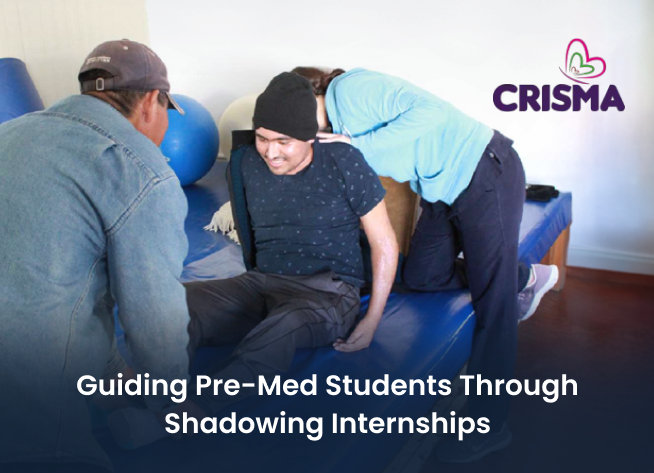
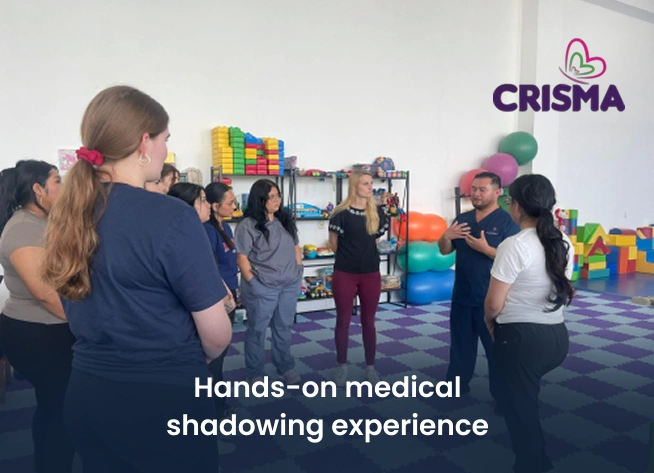
International healthcare students participating in a medical job shadowing program with hands-on clinical training
International healthcare students participate in guided clinical learning during a medical job shadowing program.

Choosing the right student shadowing program can shape how students view their future in medicine. While local shadowing provides useful observation, international experiences can offer deeper immersion and broader exposure to global healthcare practices.

For students interested in meaningful clinical engagement, CRISMA’s medical job shadowing program gives international healthcare students the chance to gain valuable experience through guided, hands-on exercises in real clinical settings. If you would like to learn more about the program and how it works, contact us today for additional details.

Students who want to see how healthcare works in real clinical environments can benefit from the practical exposure and mentorship offered through the program. It can also help future medical professionals build confidence while gaining a clearer understanding of patient care in a global healthcare setting.

FAQs

1. What is a student shadowing program in healthcare?

A student shadowing program allows aspiring healthcare professionals to observe experienced physicians and medical staff in real clinical settings. Students typically follow doctors during consultations, hospital rounds, and patient care activities to understand how medical decisions are made and how healthcare teams work together. These programs help students gain early exposure to the medical field before entering medical school or other healthcare training.

2. How do shadowing programs for pre-med students help with career decisions?

Shadowing programs for pre-med students give participants a realistic view of what a career in medicine looks like. By observing doctors in hospitals or clinics, students can see the challenges, responsibilities, and daily routines of healthcare professionals. This experience often helps students confirm their interest in medicine, choose potential specialties, and better prepare for medical school applications.

3. What is the main difference between observing and immersive shadowing?

Observation-based shadowing focuses mostly on watching physicians perform their work from a distance. Students usually follow doctors and observe patient interactions, procedures, and consultations without direct involvement.

Immersive shadowing, on the other hand, allows students to engage more actively in the learning process. Under proper supervision, they may participate in guided activities, learn basic clinical skills, and take part in discussions about patient care. This deeper level of engagement often helps students understand clinical work more clearly.

4. Why do some students choose international student shadowing programs?

Many students choose international student shadowing programs because they offer exposure to different healthcare systems, patient populations, and medical practices. Students may observe how doctors deliver care in environments with different resources, cultural expectations, and public health challenges. This broader perspective can help students develop cultural awareness and a deeper understanding of global healthcare.

5. When should pre-med students consider joining a shadowing program?

Students can benefit from a student shadowing program at various stages of their academic journey. Many pre-med students participate during their undergraduate years, while others join programs during summer breaks or gap years. Early exposure helps students gain insight into clinical practice, strengthen their medical school applications, and develop a clearer understanding of their long-term career goals.

Medical Shadowing Near Me: Is International Shadowing a Better Option?

September 9, 2025

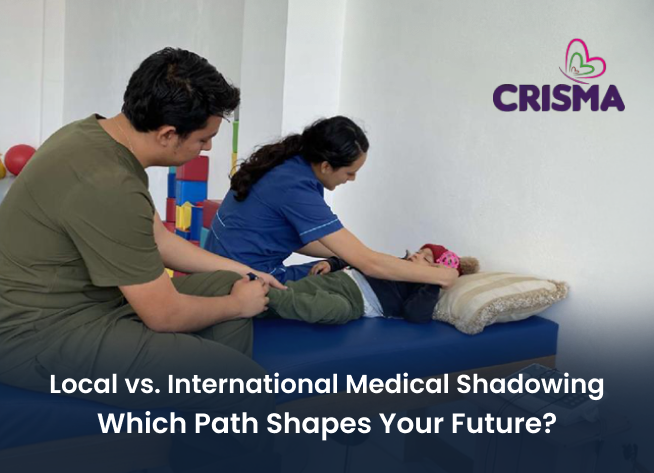
When students begin searching “medical shadowing near me,” it’s usually the first step toward building meaningful clinical experience. Shadowing is an important way to understand what life as a doctor, nurse, or healthcare provider really looks like – beyond what textbooks or lectures can show. But a common question arises: should you stick with local opportunities, or consider medical shadowing abroad?

Both paths have their strengths, and the right choice depends on your goals, personality, and career aspirations. Let’s explore how medical shadowing can shape your future in medicine, and whether international experiences might open doors you haven’t yet considered.

Why Medical Shadowing Matters

Before diving into location, it’s worth remembering why medical shadowing is so valuable. For pre-med students, shadowing programs offer a glimpse into the daily responsibilities of healthcare professionals. Whether it’s observing how a physician interacts with patients, seeing procedures unfold, or understanding the pressures of hospital work, these experiences prepare you for the realities of the profession.

Medical job shadowing also provides:

  • Clarity about career paths
    Maybe you’re torn between pediatrics and surgery. Shadowing can help you picture what each specialty really entails.
  • A boost to applications
    Admissions committees want to see that you’ve explored medicine beyond the classroom. Shadowing demonstrates initiative and genuine interest.
  • Personal growth
    Watching compassionate care in action helps shape your values and the kind of provider you aspire to be.

The Appeal of Local Shadowing

Local shadowing programs for pre-med students can be convenient, accessible, and relatively easy to arrange. You don’t have to travel far, and you may already have personal or community connections who can help you get started.

Other benefits include:

  • Lower cost – No travel expenses, visas, or living arrangements to worry about.
  • Familiar environment – You’re navigating a healthcare system you already know, which can help you focus purely on observing and learning.
  • Networking opportunities – Building relationships in your local area could lead to recommendations, research opportunities, or job connections later.

But local shadowing can also come with challenges. Spots may be competitive, especially in urban areas. Hospitals or clinics might have strict rules limiting how much a student can observe. Sometimes, you may find yourself restricted to paperwork or surface-level observation rather than meaningful patient interaction.

The Case for International Medical Shadowing

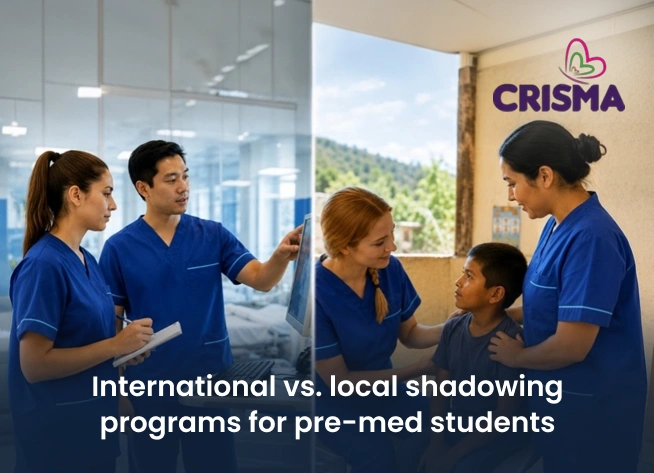
International medical shadowing internships can take the learning experience to a whole new level. By stepping outside your comfort zone and immersing yourself in a different healthcare system, you gain perspectives that simply aren’t available at home.

Some standout advantages include:

  • Exposure to diverse healthcare systems
    Witnessing how doctors in other countries handle limited resources, cultural expectations, or different patient needs can expand your understanding of global medicine.
  • Hands-on learning (where appropriate)
    In some programs, students may have more opportunities to engage with patients, assist with tasks, or observe procedures up close.
  • Personal resilience and adaptability
    Living and learning abroad challenges you in ways that build confidence, cultural sensitivity, and problem-solving skills – all qualities that stand out on applications and in future medical practice.
  • A memorable, transformative experience
    Beyond medicine, international shadowing often includes exploring a new culture, language, and way of life – memories that stay with you forever.

Of course, international shadowing also comes with considerations. It requires more planning, funding, and time. You’ll need to carefully research programs to ensure they’re reputable and provide structured, ethical learning opportunities.

Which Option Is Right for You?

There’s no one-size-fits-all answer. Local medical shadowing may be the perfect first step if you want something close to home, easy to manage, and budget-friendly. It’s also a great way to start building your confidence before pursuing more immersive experiences later on.

International shadowing, on the other hand, might be better if you’re seeking something deeper, an experience that not only strengthens your medical knowledge but also shapes your worldview. If you’re adventurous, open to new cultures, and interested in global health, the benefits can be life-changing.

Think about your goals: Are you simply trying to check the box for clinical hours, or are you hoping to broaden your horizons in preparation for a career that may cross borders? Your answer will guide your decision.

Finding the Right Path in Medical Shadowing

CRISMA medical shadowing internships for international pre-med and healthcare students.
CRISMA helps international pre-med and healthcare students gain meaningful medical shadowing experiences.

Whether you pursue medical shadowing near home or abroad, what matters most is the willingness to learn, observe, and grow into the kind of healthcare provider the world needs. Both paths offer valuable lessons, but international shadowing often adds a unique depth that stays with students long after the program ends.

At CRISMA, we support international pre-med and healthcare students who want to gain hands-on, meaningful experience through structured medical shadowing internships. Our programs give you the chance to learn from skilled professionals, immerse yourself in a different healthcare system, and return home with insights that can shape your future in medicine.

If you’ve been wondering whether international shadowing is right for you, we’d love to talk. Contact us today to learn more about how CRISMA can help you take the next step in your medical journey.

FAQs

Why is medical shadowing important for pre-med students?

Medical shadowing gives students the chance to observe real healthcare environments and see what daily life as a doctor or healthcare provider looks like. It helps students decide which specialties interest them, strengthens applications to medical school, and fosters personal growth by showing firsthand how compassionate care is delivered.

What are the benefits of local medical shadowing opportunities?

Local shadowing programs for pre-med students are often easier to access and more affordable since they don’t require travel. They also allow students to observe within a familiar healthcare system, making it easier to focus on the learning experience. Additionally, shadowing locally can create valuable networking connections that may lead to recommendations or research opportunities.

How does international medical shadowing differ from shadowing near home?

International shadowing programs often expose students to different healthcare systems, cultural practices, and patient needs. Students may also experience more direct observation opportunities, depending on the program. Beyond clinical exposure, international shadowing builds adaptability, resilience, and cultural sensitivity—qualities that benefit both personal growth and future medical careers.

What challenges should students consider before choosing international shadowing?

While international shadowing can be transformative, it requires more planning and investment. Students need to factor in travel costs, visas, and living arrangements. It’s also essential to carefully research programs to ensure they are reputable and provide structured, ethical learning opportunities.

How do I decide between local and international medical shadowing?

Your choice depends on your goals. If you’re looking for convenience, affordability, and early exposure, local shadowing is a great starting point. If you want to deepen your understanding of global health, broaden your cultural perspective, and potentially experience more immersive learning, international shadowing could be a better fit.