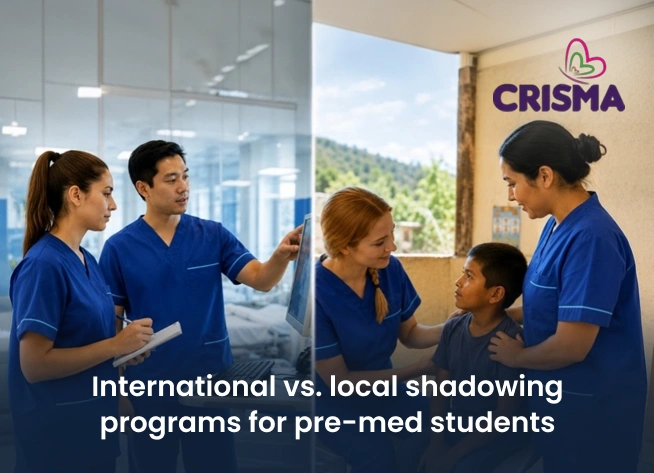
Observation vs. Immersion: The Real Difference Between Job Shadowing Doctors at Home vs. Abroad
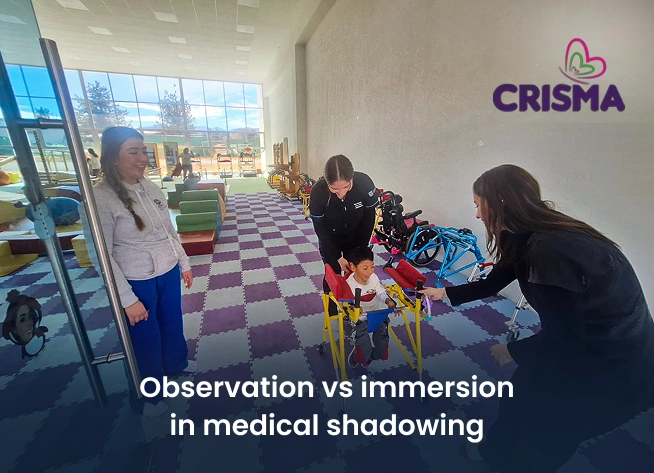
For many students pursuing a career in healthcare, a student shadowing program is often the first real step into the medical world. It offers a chance to step beyond textbooks and lectures and observe what daily life in medicine actually looks like. Watching physicians interact with patients, collaborate with medical teams, and make clinical decisions can provide a level of understanding that no classroom alone can deliver.
But not all shadowing experiences are the same. Some programs focus purely on observation, while others encourage deeper engagement with the clinical environment. The location of the program also plays a major role. Shadowing doctors in your home country can offer valuable exposure, but shadowing abroad often introduces a level of immersion that changes how students understand medicine altogether.
Understanding the difference between observation and immersion can help students choose the right student shadowing program for their goals and future careers.
What observation looks like in traditional shadowing programs
Many shadowing programs for pre-med students in the United States and other developed countries follow strict hospital guidelines. These regulations exist to protect patient privacy and ensure safety, which is important. However, they also limit how involved students can be.
In many local shadowing experiences, students spend their time quietly observing physicians from the sidelines. They may follow a doctor through rounds, listen to consultations, and watch procedures from a distance. While this exposure is helpful, it often leaves students with a limited role in the clinical environment.
Students typically cannot participate in tasks, interact directly with patients, or assist with simple procedures. The experience becomes more like watching medicine happen rather than being part of it.
For some students, this observational format can feel passive. They gain insight into workflow and hospital structure, but they may finish the program wishing they had been able to engage more deeply.
The immersive nature of international shadowing
A student shadowing program abroad often offers a different experience. Many international healthcare settings encourage students to engage more actively with the environment while still respecting safety guidelines.
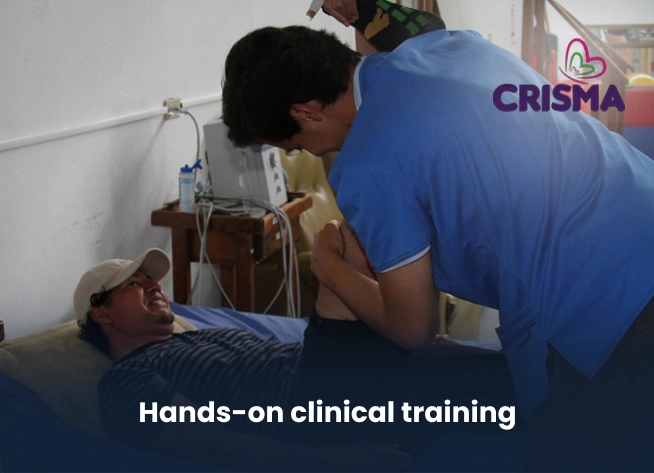
Instead of simply standing back and observing, students may be invited to participate in guided activities. This can include learning basic clinical skills, assisting with simple medical tasks, and participating in discussions about diagnoses and treatment decisions.
Immersion does not mean replacing professional medical staff. Instead, it means being included in the learning process. Students gain a clearer understanding of how healthcare teams operate because they experience it from within the clinical environment.
This type of involvement helps transform shadowing from a passive activity into a more meaningful educational experience.
Exposure to different healthcare systems
Another major difference between shadowing at home and abroad is the healthcare system itself.
When students shadow locally, they typically observe a system that they already understand culturally and structurally. Insurance processes, hospital workflows, and patient expectations often follow familiar patterns.
International programs introduce students to healthcare systems that may operate very differently. They may see how doctors adapt when resources are limited, how communities approach preventive care, and how cultural beliefs influence treatment decisions.
For students considering careers in global health, public health, or humanitarian medicine, this perspective can be extremely valuable. It broadens their understanding of what healthcare looks like beyond their own country.
Learning through cultural awareness
Medicine is not just about science. It is also about people.
Shadowing abroad exposes students to cultural differences that influence how patients communicate, how families participate in care, and how medical professionals build trust within communities.
Students often learn how language barriers are managed, how physicians adjust communication styles, and how cultural values shape medical decision-making.
This kind of cultural awareness is difficult to gain in a traditional student shadowing program at home. Yet it is an essential skill for healthcare professionals who will serve diverse patient populations.
Confidence and personal growth beyond the clinic
Another benefit of immersive shadowing programs for pre-med students abroad is the personal growth that comes from navigating unfamiliar environments.
Traveling to a new country, adapting to a different healthcare system, and working alongside international medical teams can challenge students in ways that classroom learning cannot.
Students often return from these programs with stronger confidence, better communication skills, and a clearer understanding of their motivations for entering medicine.
Instead of simply confirming their interest in healthcare, immersive shadowing experiences often deepen their commitment to the field.
From watching medicine to experiencing it firsthand
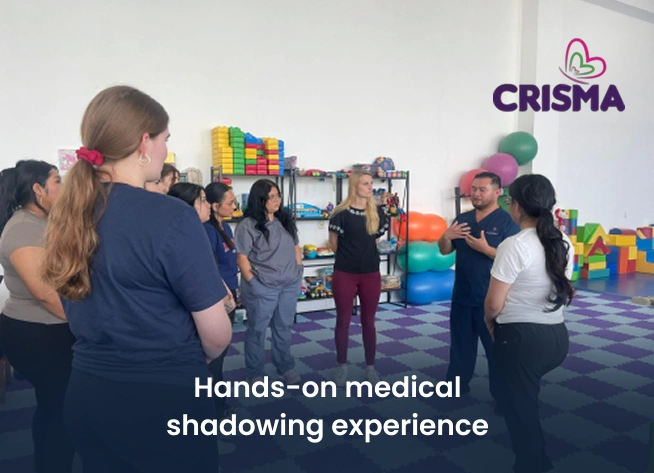
Choosing the right student shadowing program can shape how students view their future in medicine. While local shadowing provides useful observation, international experiences can offer deeper immersion and broader exposure to global healthcare practices.
For students interested in meaningful clinical engagement, CRISMA’s medical job shadowing program gives international healthcare students the chance to gain valuable experience through guided, hands-on exercises in real clinical settings. If you would like to learn more about the program and how it works, contact us today for additional details.
Students who want to see how healthcare works in real clinical environments can benefit from the practical exposure and mentorship offered through the program. It can also help future medical professionals build confidence while gaining a clearer understanding of patient care in a global healthcare setting.
FAQs
1. What is a student shadowing program in healthcare?
A student shadowing program allows aspiring healthcare professionals to observe experienced physicians and medical staff in real clinical settings. Students typically follow doctors during consultations, hospital rounds, and patient care activities to understand how medical decisions are made and how healthcare teams work together. These programs help students gain early exposure to the medical field before entering medical school or other healthcare training.
2. How do shadowing programs for pre-med students help with career decisions?
Shadowing programs for pre-med students give participants a realistic view of what a career in medicine looks like. By observing doctors in hospitals or clinics, students can see the challenges, responsibilities, and daily routines of healthcare professionals. This experience often helps students confirm their interest in medicine, choose potential specialties, and better prepare for medical school applications.
3. What is the main difference between observing and immersive shadowing?
Observation-based shadowing focuses mostly on watching physicians perform their work from a distance. Students usually follow doctors and observe patient interactions, procedures, and consultations without direct involvement.
Immersive shadowing, on the other hand, allows students to engage more actively in the learning process. Under proper supervision, they may participate in guided activities, learn basic clinical skills, and take part in discussions about patient care. This deeper level of engagement often helps students understand clinical work more clearly.
4. Why do some students choose international student shadowing programs?
Many students choose international student shadowing programs because they offer exposure to different healthcare systems, patient populations, and medical practices. Students may observe how doctors deliver care in environments with different resources, cultural expectations, and public health challenges. This broader perspective can help students develop cultural awareness and a deeper understanding of global healthcare.
5. When should pre-med students consider joining a shadowing program?
Students can benefit from a student shadowing program at various stages of their academic journey. Many pre-med students participate during their undergraduate years, while others join programs during summer breaks or gap years. Early exposure helps students gain insight into clinical practice, strengthen their medical school applications, and develop a clearer understanding of their long-term career goals.