Observation vs. Immersion: The Real Difference Between Job Shadowing Doctors at Home vs. Abroad
March 15, 2026

For many students pursuing a career in healthcare, a student shadowing program is often the first real step into the medical world. It offers a chance to step beyond textbooks and lectures and observe what daily life in medicine actually looks like. Watching physicians interact with patients, collaborate with medical teams, and make clinical decisions can provide a level of understanding that no classroom alone can deliver.

But not all shadowing experiences are the same. Some programs focus purely on observation, while others encourage deeper engagement with the clinical environment. The location of the program also plays a major role. Shadowing doctors in your home country can offer valuable exposure, but shadowing abroad often introduces a level of immersion that changes how students understand medicine altogether.

Understanding the difference between observation and immersion can help students choose the right student shadowing program for their goals and future careers.

What observation looks like in traditional shadowing programs

Many shadowing programs for pre-med students in the United States and other developed countries follow strict hospital guidelines. These regulations exist to protect patient privacy and ensure safety, which is important. However, they also limit how involved students can be.

In many local shadowing experiences, students spend their time quietly observing physicians from the sidelines. They may follow a doctor through rounds, listen to consultations, and watch procedures from a distance. While this exposure is helpful, it often leaves students with a limited role in the clinical environment.

Students typically cannot participate in tasks, interact directly with patients, or assist with simple procedures. The experience becomes more like watching medicine happen rather than being part of it.

For some students, this observational format can feel passive. They gain insight into workflow and hospital structure, but they may finish the program wishing they had been able to engage more deeply.

The immersive nature of international shadowing

A student shadowing program abroad often offers a different experience. Many international healthcare settings encourage students to engage more actively with the environment while still respecting safety guidelines.

Instead of simply standing back and observing, students may be invited to participate in guided activities. This can include learning basic clinical skills, assisting with simple medical tasks, and participating in discussions about diagnoses and treatment decisions.

Immersion does not mean replacing professional medical staff. Instead, it means being included in the learning process. Students gain a clearer understanding of how healthcare teams operate because they experience it from within the clinical environment.

This type of involvement helps transform shadowing from a passive activity into a more meaningful educational experience.

Exposure to different healthcare systems

Another major difference between shadowing at home and abroad is the healthcare system itself.

When students shadow locally, they typically observe a system that they already understand culturally and structurally. Insurance processes, hospital workflows, and patient expectations often follow familiar patterns.

International programs introduce students to healthcare systems that may operate very differently. They may see how doctors adapt when resources are limited, how communities approach preventive care, and how cultural beliefs influence treatment decisions.

For students considering careers in global health, public health, or humanitarian medicine, this perspective can be extremely valuable. It broadens their understanding of what healthcare looks like beyond their own country.

Learning through cultural awareness

Medicine is not just about science. It is also about people.

Shadowing abroad exposes students to cultural differences that influence how patients communicate, how families participate in care, and how medical professionals build trust within communities.

Students often learn how language barriers are managed, how physicians adjust communication styles, and how cultural values shape medical decision-making.

This kind of cultural awareness is difficult to gain in a traditional student shadowing program at home. Yet it is an essential skill for healthcare professionals who will serve diverse patient populations.

Confidence and personal growth beyond the clinic

Another benefit of immersive shadowing programs for pre-med students abroad is the personal growth that comes from navigating unfamiliar environments.

Traveling to a new country, adapting to a different healthcare system, and working alongside international medical teams can challenge students in ways that classroom learning cannot.

Students often return from these programs with stronger confidence, better communication skills, and a clearer understanding of their motivations for entering medicine.

Instead of simply confirming their interest in healthcare, immersive shadowing experiences often deepen their commitment to the field.

From watching medicine to experiencing it firsthand
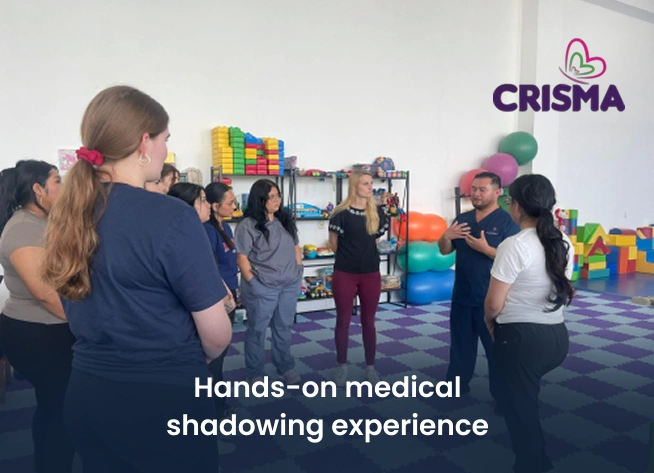
International healthcare students participating in a medical job shadowing program with hands-on clinical training
International healthcare students participate in guided clinical learning during a medical job shadowing program.

Choosing the right student shadowing program can shape how students view their future in medicine. While local shadowing provides useful observation, international experiences can offer deeper immersion and broader exposure to global healthcare practices.

For students interested in meaningful clinical engagement, CRISMA’s medical job shadowing program gives international healthcare students the chance to gain valuable experience through guided, hands-on exercises in real clinical settings. If you would like to learn more about the program and how it works, contact us today for additional details.

Students who want to see how healthcare works in real clinical environments can benefit from the practical exposure and mentorship offered through the program. It can also help future medical professionals build confidence while gaining a clearer understanding of patient care in a global healthcare setting.

FAQs

1. What is a student shadowing program in healthcare?

A student shadowing program allows aspiring healthcare professionals to observe experienced physicians and medical staff in real clinical settings. Students typically follow doctors during consultations, hospital rounds, and patient care activities to understand how medical decisions are made and how healthcare teams work together. These programs help students gain early exposure to the medical field before entering medical school or other healthcare training.

2. How do shadowing programs for pre-med students help with career decisions?

Shadowing programs for pre-med students give participants a realistic view of what a career in medicine looks like. By observing doctors in hospitals or clinics, students can see the challenges, responsibilities, and daily routines of healthcare professionals. This experience often helps students confirm their interest in medicine, choose potential specialties, and better prepare for medical school applications.

3. What is the main difference between observing and immersive shadowing?

Observation-based shadowing focuses mostly on watching physicians perform their work from a distance. Students usually follow doctors and observe patient interactions, procedures, and consultations without direct involvement.

Immersive shadowing, on the other hand, allows students to engage more actively in the learning process. Under proper supervision, they may participate in guided activities, learn basic clinical skills, and take part in discussions about patient care. This deeper level of engagement often helps students understand clinical work more clearly.

4. Why do some students choose international student shadowing programs?

Many students choose international student shadowing programs because they offer exposure to different healthcare systems, patient populations, and medical practices. Students may observe how doctors deliver care in environments with different resources, cultural expectations, and public health challenges. This broader perspective can help students develop cultural awareness and a deeper understanding of global healthcare.

5. When should pre-med students consider joining a shadowing program?

Students can benefit from a student shadowing program at various stages of their academic journey. Many pre-med students participate during their undergraduate years, while others join programs during summer breaks or gap years. Early exposure helps students gain insight into clinical practice, strengthen their medical school applications, and develop a clearer understanding of their long-term career goals.

Job Shadowing Doctors in Mexico: The Ultimate Guide for Pre-Med Students

August 6, 2025

Choosing a career in medicine is a significant decision. Before you commit to years of study, there’s an invaluable experience that can give you real insight into the medical profession: job shadowing. And what better place to do it than in Mexico? Job shadowing doctors in Mexico presents a dynamic opportunity to observe, learn, and gain a global perspective on the field of medicine.

This guide will walk you through everything you need to know about shadowing programs for pre-med students in Mexico. Whether you’re curious about hospital life, eager to sharpen your clinical observation skills, or just excited to experience healthcare in a different culture, we’ve got you covered.

What is Job Shadowing and Why Does It Matter?

Think of job shadowing as a behind-the-scenes pass into the world of healthcare. You’ll follow doctors, nurses, and medical professionals during their daily routines, observing patient interactions, medical procedures, and the inner workings of clinics and hospitals.

For pre-med students, this isn’t just a resume booster. It’s a reality check. Shadowing helps you determine if a career in medicine is truly your calling. It provides you with insights that no textbook can offer – such as how doctors communicate with patients, how healthcare teams collaborate, and how high-pressure situations are managed.

Why Shadow Doctors in Mexico?

Shadowing in Mexico adds an entirely different dimension to your medical journey. Here’s why it’s such a fantastic choice:

  • Cultural Immersion
    You’ll see how cultural differences influence patient care, doctor-patient relationships, and medical ethics.
  • Bilingual Exposure
    Even if you’re not fluent in Spanish, you’ll pick up medical terminology and improve your communication skills.
  • Hands-On Observation
    Smaller hospitals and clinics often provide more opportunities to observe a wide range of cases.
  • Global Perspective
    Healthcare systems vary worldwide. Seeing how Mexican healthcare operates broadens your understanding of global medicine.

Plus, let’s be honest – Mexico is a stunning country. You’ll learn a ton and have some epic experiences along the way.

What to Expect in Medical Job Shadowing Programs

Medical job shadowing programs in Mexico typically place students in hospitals, clinics, or private practices. Here’s a sneak peek at what your days might look like:

  • Morning Rounds
    Join doctors as they examine patients, discuss treatment plans, and review patient charts.
  • Clinical Observations
    Watch procedures, assist with basic tasks (where permitted), and learn how medical teams function.
  • Case Discussions
    Attend team meetings where patient cases are analyzed and treatment strategies are developed.
  • Community Health Initiatives
    Some programs offer opportunities to observe outreach efforts in underserved communities.

Every day is different. One morning, you might be shadowing a general practitioner in a busy urban clinic. Next, you could be observing a specialist in a hospital setting.

Shadowing Programs for Pre-Med Students: How to Choose the Right One

Not all shadowing programs for pre-med students are created equal. When picking a program, consider these factors:

  • Program Structure
    Does the program offer a structured schedule with a variety of clinical departments?
  • Mentorship Opportunities
    Will you have access to mentors who are open to teaching and answering questions?
  • Language Support
    Is there a language barrier? Some programs offer bilingual mentors or translators.
  • Location & Facilities
    Are you more interested in urban hospitals or rural clinics?
  • Duration & Commitment
    Programs can range from a week to several months. Pick one that fits your academic calendar and goals.

How Medical Shadowing Internships Boost Your Med School Application

Medical schools love applicants who’ve gone beyond academics to understand what being a doctor truly entails. Medical shadowing internships show admissions committees that you’ve taken initiative to gain real-world exposure.

Shadowing experiences allow you to reflect on meaningful patient interactions, ethical dilemmas, and healthcare challenges in your personal statements and interviews. Plus, you’ll build a network of professionals who might provide you with letters of recommendation.

Must-Read: Medical Job Shadowing Tips Every Pre-Med Student Needs

Before you pack your bags and head to Mexico, make sure you’re prepared to get the most out of your experience. We’ve put together a super-helpful blog post titled ‘Medical Job Shadowing Tips Every Pre-Med Student Needs,’ which dives into practical advice on how to shadow effectively, ask insightful questions, and handle yourself professionally in a clinical setting. Trust us – it’s worth the read.

How CRISMA Supports Your Job Shadowing Journey

Pre-med students enrolled in the Medical Shadowing Program at CRISMA.
Guided by CRISMA’s mentors, pre-med students engage in authentic medical shadowing experiences.

At CRISMA, we believe that job shadowing should be more than just an observational exercise – it should be an immersive learning experience that shapes your future in healthcare. Our shadowing programs for pre-med students in Mexico are designed to offer meaningful clinical exposure, cultural enrichment, and professional mentorship.

We understand the importance of gaining hands-on observation in a real medical setting, and we’re here to guide you through every step of the journey. Whether you’re looking for medical job shadowing, medical shadowing internships, or simply want to explore what it’s like to work in healthcare, CRISMA has a program that fits your aspirations.

Contact us today to learn more about how we can help you build a strong foundation for your medical career.

FAQs

What are the benefits of job shadowing doctors in Mexico for pre-med students?

Job shadowing doctors in Mexico provides pre-med students with a unique opportunity to observe real medical environments, experience cultural immersion, and witness diverse clinical cases firsthand. It offers a global perspective on patient care, showing how cultural values shape medical practices and doctor-patient relationships.

Compared to larger U.S. hospitals, shadowing in Mexico often allows for closer observation and deeper insights into healthcare systems, ethical challenges, and resource management, making it a valuable experience for both personal growth and med school applications.

How do I choose the right shadowing program for pre-med students in Mexico?

Choosing the right shadowing program involves finding one with a structured schedule that offers exposure to multiple clinical departments for a well-rounded experience. It’s important to select programs with accessible mentors who are willing to teach and answer questions.

For students not fluent in Spanish, programs with bilingual mentors or translators are beneficial. Location also matters – urban hospitals provide high patient volume exposure, while rural clinics offer insight into community-based care. Ensure the program’s duration fits your academic calendar and personal goals.

Does medical job shadowing in Mexico help with medical school applications?

Medical job shadowing in Mexico strengthens medical school applications by demonstrating initiative, cultural awareness, and real-world clinical exposure. It provides meaningful experiences for personal statements and interviews, highlighting patient interactions, ethical challenges, and global healthcare insights.

Shadowing abroad also reflects adaptability and a willingness to step outside your comfort zone – traits valued by admissions committees. The connections you build with medical professionals can lead to strong letters of recommendation, further enhancing your application.

What should I expect during a typical day of medical shadowing in Mexico?

A typical day of medical shadowing in Mexico is dynamic, starting with morning rounds where you observe doctors discussing treatment plans and patient care. You’ll witness clinical procedures, participate in case discussions, and may even observe community health initiatives in underserved areas.

Each day offers a different experience, ranging from busy urban hospitals to small rural clinics, providing broad exposure to healthcare delivery. The focus is on observing and learning how medical teams collaborate, manage time, and navigate real-world clinical environments.