When service, culture, and learning came together in San Miguel
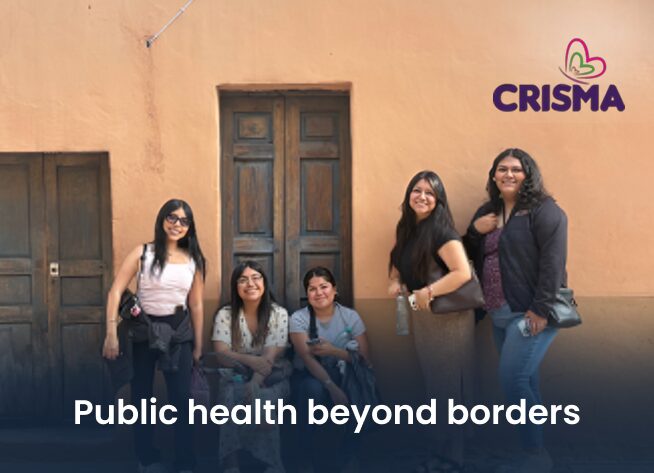
Global public health is not only about textbooks, research papers, or classroom discussions. It is about people, relationships, and the willingness to listen and serve. Recently, students from the UC Irvine Joe C. Wen School of Population & Public Health experienced this truth firsthand during a meaningful visit to San Miguel de Allende. Their time in Mexico highlighted what can happen when academic knowledge meets compassionate, community-centered care.
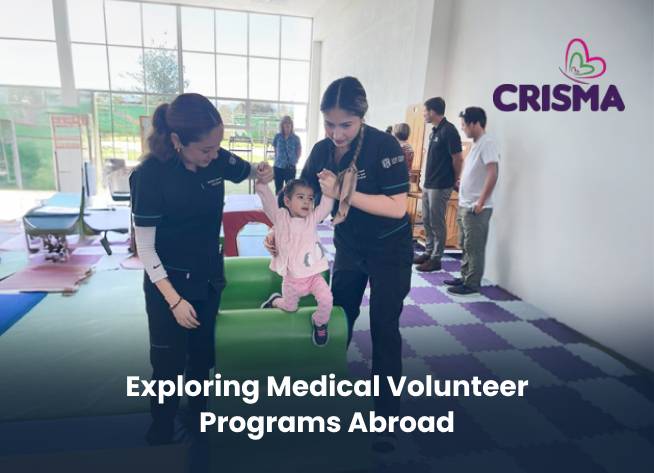
At the heart of this experience was CRISMA, where students found more than a practicum site. They found a place where healing, resilience, and collaboration are part of everyday life.
A shared vision for community health
The journey began as a simple outreach effort from Wen Public Health faculty who were seeking opportunities for students to engage in community-based practice beyond the United States. With support from the UC Irvine Office of Educational & Community Partnerships, those conversations soon grew into a collaborative visit to Centro Fox and Vamos México.
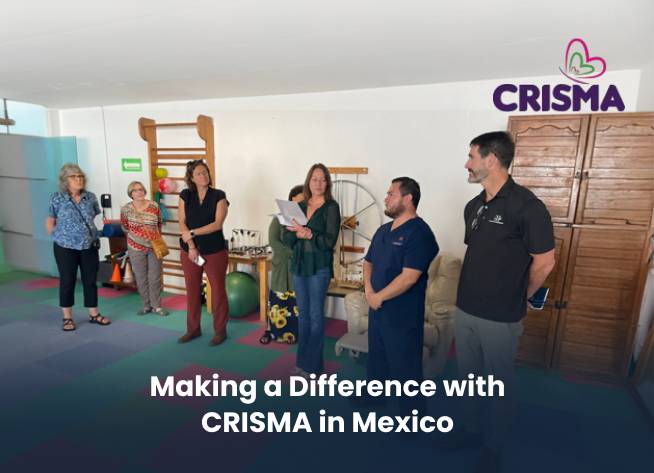
During this visit, students were introduced to CRISMA and Patronato Pro Niños, two organizations deeply committed to improving community health. Located near one of Mexico’s most culturally rich cities, these organizations offered an authentic setting where students could step outside the familiar and into real-world public health work.
For CRISMA, welcoming students meant providing a learning environment and creating space for shared understanding, mutual respect, and collective growth.
Learning through service
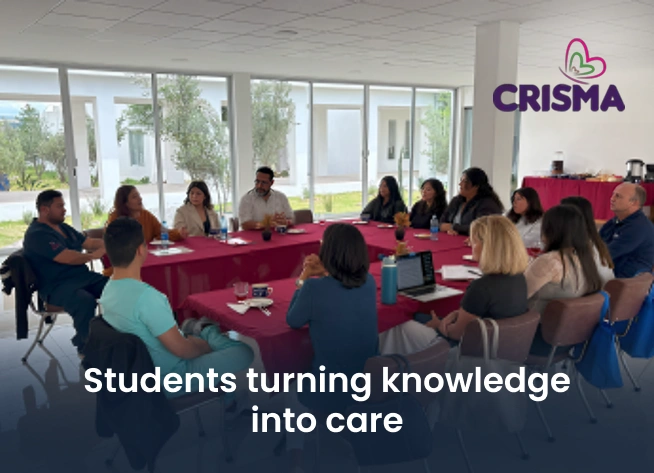
Six Master of Public Health students participated in a two-week global learning experience that blended academic training with community priorities. Their projects reflected both practical skill and heartfelt intention.
Some students worked on program evaluations and outreach strategies. Others conducted family interviews, strengthened patient record systems, and helped design health education workshops. One group even co-designed a rural outreach program to expand access to rehabilitation services.
These efforts remind us that public health is most effective when it grows from community voices. At CRISMA, students were encouraged to observe carefully, ask thoughtful questions, and approach every interaction with humility.
As Andrea De Vizcaya Ruiz, PhD, shared, the goal is to build sustained relationships where students contribute meaningfully while gaining hands-on experience.
Culture, identity, and connection
For many students, the experience was deeply personal. Visiting Mexico during Latinx Heritage Month added another layer of reflection and connection.
Janeth Cabanas described feeling proud to connect with organizations that share her commitment to helping vulnerable communities. Lorena Diaz Maya spoke about the beauty of serving a community tied to her family roots, emphasizing the power of partnership and culture in driving change.
Vilma Hernandez reflected on how creativity and resilience shape public health work, while Natalie Han noted that the experience strengthened her practical skills and inspired her to continue learning Spanish.
Moments like these reveal something important. Public health is not only technical. It is human.
At CRISMA, students witnessed families celebrating milestones in rehabilitation and supporting one another through challenges. Ana Angelica Alcaraz shared how meaningful it was to hear parents speak about their children’s progress, reinforcing the importance of listening before acting.
Practicing cultural humility
One of the strongest themes from the visit was cultural humility. Students learned that effective health work happens alongside communities, not above them.
Doctoral student advisor Adriana Urrutia observed that many participants were second-generation students hoping to give back to communities connected to their heritage. She noted that public health calls for empathy, adaptability, and a genuine desire to serve.
These qualities align closely with the values practiced daily at CRISMA. Care is never one-size-fits-all. Each patient story matters, and each recovery journey is approached with patience and respect.
Looking toward the future
Faculty leaders hope this experience will become the foundation for long-term collaboration, potentially establishing CRISMA and Patronato Pro Niños as official practicum sites. Partnerships like these strengthen education while also advancing health equity across borders.
For CRISMA, opportunities like this affirm an ongoing commitment to community-centered care and thoughtful partnership. Growth does not always come from grand gestures. Often, it begins with conversations, shared meals, careful listening, and the simple willingness to learn from one another.
As one student reflected, public health is everywhere, and every effort matters.
When students, educators, and community organizations come together with open hearts, the result is more than professional development. It becomes a reminder that healing, learning, and hope can travel far beyond geographic boundaries.
For those interested in learning more about this meaningful collaboration, we invite you to read the press release titled Expanding Horizons: Wen Public Health in Mexico for additional insights.