The Future of Care – Why Pediatric Rehabilitation Observation Is a Critical Experience for Pre-Med Students

November 6, 2025

There’s a moment every future doctor remembers; a moment where medicine stops being an idea and becomes a calling. For many pre-med students, that moment arrives when they witness a young child take their first steps after months of hard work in Pediatric Rehabilitation.

It’s not just medical progress. It’s a life-changing transformation. Pediatric therapy rooms are filled with laughter, tiny victories, determined parents, and a healthcare team that celebrates every milestone with joy. Shadowing or observing this environment gives pre-med students something textbooks never can: the heart of medicine.

Why Pediatric Rehabilitation Matters in Modern Healthcare

Through pediatric physiotherapy shadowing, students can witness firsthand how care teams tailor their approach to a child’s abilities and emotional needs. They observe how families are guided, supported, and empowered, and how therapy becomes play while still leading to measurable improvement. This perspective prepares future doctors to be not just clinically skilled, but emotionally aware; something that is desperately needed in healthcare.

Real Learning Happens Beyond the Classroom

Medical textbooks are valuable, but they cannot teach the emotional depth of caring for a child who struggles to speak, walk, or hold a pencil. Observing real therapy sessions provides insights that no lecture can match.

During pediatric rehabilitation observation, pre-med students learn how physical and occupational therapists engage children in purposeful play. They observe how treatment plans are developed and adjusted over time, gaining an understanding of how small improvements can lead to significant change. Instead of just reading about gross and fine motor skills, students witness how these skills are practiced, strengthened, and celebrated. Somewhere between the first hesitant movement and the loud cheers that follow, students begin to understand why they want to become doctors.

What Watching Kids Teach Us About Resilience

Children do not approach therapy with fear; they approach it with determination. Whether they are learning to balance, improving coordination, or strengthening muscles, kids tackle each challenge with courage, and often with a smile.

Through pediatric therapy volunteer opportunities, students come to realize that healing is not a linear process, that resilience can be taught, and that children are master teachers in their own right. Pre-med students often leave these experiences surprised, not by how much they helped, but by how much they learned from the children.

Understanding the Collaborative Nature of Pediatric Care

Pediatric Rehabilitation is never the work of a single individual. Doctors, physical therapists, occupational therapists, nurses, speech therapists, and families collaborate to create a supportive environment. Observing this teamwork allows pre-med students to witness what holistic medicine looks like in action.

They learn how communication between providers ensures consistent care, how therapy goals are set based on functional outcomes, and how professionals adjust strategies to match a child’s progress and personality. It prepares students for the reality of patient care, where collaboration and empathy are just as important as knowledge.

Developing Emotional Intelligence – A Skill Doctors Need

In pediatrics, the smallest victories often mean the most. A new word spoken, a hand finally gripping a toy, or a first independent step can be monumental. Students who engage in pediatric physiotherapy shadowing learn to slow down and appreciate progress at the child’s pace. They become better listeners, show patience and encouragement, and witness unconditional support from therapists. In essence, they learn what empathy in healthcare truly looks like.

For a deeper look into how pediatric therapy transforms young lives, read the blog post, Early Therapy for Kids: Helping Little Ones Grow Strong and Confident, which explores how early support shapes lifelong confidence and independence.
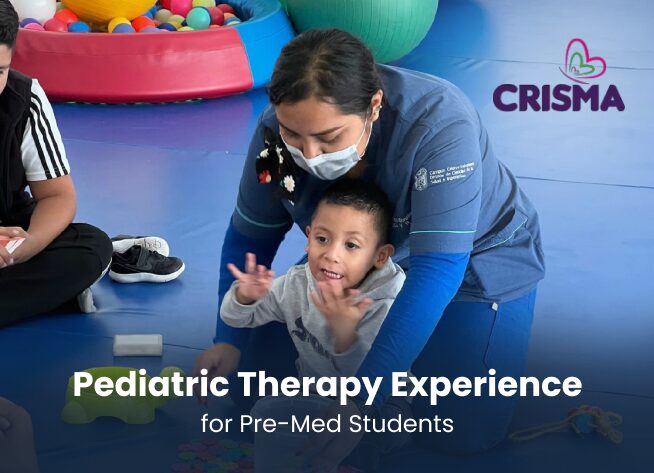
Pre-med students participating in pediatric therapy shadowing program, assisting therapists with exercises.
CRISMA offers immersive programs for pre-med students, including pediatric physiotherapy shadowing and volunteer opportunities in pediatric therapy.

The Future of Healthcare Starts With Heart

Through Pediatric Rehabilitation, future doctors learn to listen not only to symptoms but also to stories, building meaningful relationships with patients and families, and celebrating progress, no matter how small. If you are a pre-med student seeking an experience that will genuinely shape your approach to healthcare, pediatric rehabilitation observation is one of the most valuable opportunities you can pursue.

At CRISMA, we provide meaningful opportunities for pre-med students to gain hands-on experience and insight through observation. If you are ready to witness the heart of pediatric care, develop empathy, and learn from both children and dedicated professionals, contact us to learn more.

FAQs

What is pediatric rehabilitation observation, and why is it important for pre-med students?

Pediatric rehabilitation observation involves watching and learning from professionals as they provide therapy to children with developmental, neurological, or physical challenges. For pre-med students, it is important because it extends beyond textbook learning, offering insight into how healthcare providers integrate clinical knowledge with empathy and effective communication. Observing children’s progress, therapists’ strategies, and family interactions helps students understand the human side of medicine, which is essential for shaping compassionate future doctors.

How does pediatric physiotherapy shadowing benefit a student’s medical education?

Pediatric physiotherapy shadowing enables students to witness firsthand how therapy is tailored to each child’s unique needs, encompassing exercises, mobility training, and creative methods of engaging children in treatment. Students gain practical knowledge of therapeutic approaches, patient assessment, and treatment planning. More importantly, shadowing nurtures emotional intelligence, teaching pre-med students to appreciate progress in non-linear ways and to communicate effectively with young patients and their families—skills that are crucial in any medical specialty.

Can volunteering in pediatric therapy help pre-med students develop skills beyond clinical knowledge?

Yes. Participating as a pediatric therapy volunteer helps students develop empathy, patience, and strong interpersonal skills. They learn to build trust with children, encourage their participation in therapy, and support families as they navigate healthcare challenges. These experiences cultivate qualities that are invaluable in medicine, such as resilience, emotional awareness, and the ability to provide holistic care that addresses both physical and emotional needs.

What kind of experiences will students gain during pediatric rehabilitation observation?

Students will observe therapists interacting with children, implementing exercises, and adjusting treatment plans based on individual progress. They will see how therapists make therapy engaging and motivating while tracking measurable outcomes. Students also gain insight into multidisciplinary teamwork, observing how doctors, therapists, and families work together to coordinate care. This immersive exposure teaches students about the importance of collaboration, communication, and the personalized nature of pediatric healthcare.

How can pediatric rehabilitation observation impact a student’s future career in medicine?

This type of observation can significantly strengthen a student’s medical school application and professional development. It demonstrates a commitment to understanding patient-centered care, particularly in high-empathy settings. Students learn how early intervention can shape a child’s development, how therapy goals are set and achieved, and how emotional support complements clinical care. These lessons influence how future doctors approach patient care, making them more compassionate, attentive, and effective healthcare providers.

Early Therapy for Kids: Helping Little Ones Grow Strong and Confident

July 16, 2025

It’s one of life’s greatest joys to watch a child take their first wobbly steps, hear their first words, or flash a big grin after accomplishing something new. But for many families, these milestones can come with extra hurdles. Whether it’s delayed speech, difficulty with movement, or struggles interacting with others, early developmental challenges are more common than many realize. That’s where early therapy steps in, offering kids the tools they need to grow stronger and more confident right from the start.

Why Early Therapy Matters So Much

When it comes to childhood development, time is precious. The early years are a remarkable window of opportunity. A young brain is like a sponge, rapidly making new connections. If a child faces difficulties, be it with speaking, moving, or social interaction, addressing those needs early can dramatically shape their future.

Early therapy isn’t just about overcoming obstacles. It’s about unlocking each child’s unique strengths. With gentle guidance, kids build confidence, independence, and joy in daily life. Families often report seeing their little ones beam with pride after mastering new skills, no matter how small.

Building Confidence Through Movement

Children learn so much about the world by exploring it physically. But for some, things like balance, coordination, or muscle strength can take more time. Physical therapy for kids provides playful, supportive environments where they can safely develop these essential abilities.

At centers like CRISMA, therapists design exercises that look a lot like fun games. Kids might climb, jump, dance, or reach for brightly colored toys. What seems like simple play is actually carefully structured therapy for child confidence. As children discover that their bodies can do more than they thought, their sense of self grows. They’re not just moving better; they’re feeling braver and more willing to try new things.

The Power of Pediatric Speech Therapy

Communication is another cornerstone of childhood. When kids struggle to form words or express ideas, it can affect everything from making friends to learning in school. Pediatric speech therapy offers compassionate support tailored to each child’s needs.

Speech therapists don’t just focus on sounds or vocabulary. They look at the whole child, listening to their frustrations, celebrating their successes, and teaching families how to encourage language at home. Simple activities like storytelling, singing, or even snack time can become rich opportunities for speech development. Over time, many children who were once quiet or hard to understand begin chatting proudly, eager to share their thoughts with the world.

Early Therapy Benefits the Whole Family

Parenting a child who needs extra support can feel isolating or overwhelming. Early therapy programs also guide and empower families. Parents learn practical ways to help at home, from communication strategies to creative play ideas that boost fine and gross motor skills. Therapists often become trusted partners, answering questions and reassuring caregivers that they’re not alone.

Many families discover that these sessions deepen their bonds. When parents see their child light up with accomplishment, or when siblings join in playful exercises, it creates moments of shared joy and pride that everyone treasures.

A Broader Impact: Inspiring the Next Generation of Therapists

The importance of early therapy doesn’t end with the families directly involved. It also shapes the future of healthcare by inspiring new professionals. Programs like international physical therapy internships give students hands-on experience in settings where early intervention makes a life-changing difference.

Interns often come from around the world to places like San Miguel de Allende, Mexico, where they work alongside skilled therapists at rehabilitation centers such as CRISMA. They witness firsthand how early therapy can transform a shy or frustrated child into one who giggles, plays, and explores with growing confidence. Many leave with a deeper commitment to patient-centered care, carrying these lessons into their future careers in physical, occupational, or speech therapy.

Creating a Brighter, More Inclusive Future

Ultimately, early therapy is about more than improving speech or strengthening muscles. It’s about helping children build trust in themselves and in the people around them. It’s about giving them the tools to participate fully in school, play, and family life. It’s about showing them, and their parents, that every child has incredible potential waiting to be unlocked.

As communities continue to recognize the value of early intervention, more families have access to these vital services. That means more children starting school feeling ready, more parents feeling hopeful, and more neighborhoods embracing the beauty of diverse abilities.

A Gentle Invitation

Young child receiving gentle guidance during therapy
Supportive therapy sessions help children thrive.

If you’re a parent wondering whether your child might benefit from early therapy, trust your instincts and reach out. The earlier you start, the more doors you open for your little one. And if you’re a student passionate about working with kids and exploring meaningful ways to support families, consider how programs like physical therapy internships abroad can prepare you to make a profound impact.

At places like CRISMA in San Miguel de Allende, caring professionals and eager interns work together to nurture children’s abilities in a warm, respectful environment. Every session is a chance to celebrate small victories that lead to lifelong confidence. Because when children feel strong, supported, and understood, they grow into adults who believe in themselves, and that benefits us all. If you would like to learn more about early therapy at CRISMA, reach out to us today

FAQs

Why is early therapy so important for children?

Early therapy is crucial because the first few years of life are when a child’s brain and body develop most rapidly. During this time, new neural connections form at an incredible pace. Addressing speech delays, motor challenges, or emotional struggles early on helps children build essential skills more easily. It’s much like nurturing a young sapling; the earlier you give it the right support, the stronger and healthier it will grow. Early therapy doesn’t just target challenges; it boosts overall confidence and sets a positive foundation for learning and social interaction.

What types of early therapy are most common for young children?

Some of the most common types include pediatric speech therapy, occupational therapy, and physical therapy. Pediatric speech therapy helps children develop language and communication skills, while occupational therapy often focuses on fine motor tasks and everyday activities like dressing or eating. Physical therapy supports gross motor development, balance, and coordination. Together, these therapies ensure children gain confidence and independence in daily life. Many families also explore multi-disciplinary programs that combine these approaches to address multiple needs at once.

How does therapy help build confidence in children?

Therapy isn’t just about meeting developmental milestones. It’s also about helping kids feel proud of what their bodies and minds can do. By overcoming challenges in a supportive environment, children start to believe in themselves. Whether it’s finally saying a new word, climbing a small set of stairs, or learning to play with peers, every accomplishment boosts self-esteem. Consistent praise and gentle encouragement from therapists and family members reinforce this sense of capability, laying the groundwork for a resilient, confident future.

Can students or aspiring professionals get involved in early therapy programs?

Absolutely. Many centers offer international physical therapy internships that allow students and aspiring professionals to observe or assist in therapy sessions. These internships provide real-world exposure to pediatric care, rehabilitation practices, and diverse cultural perspectives. They’re especially valuable for those considering careers in physical therapy, occupational therapy, or speech-language pathology. Such experiences deepen understanding and compassion, which are key when working with children.

What should parents look for when choosing early therapy for their child?

Parents should seek programs that are child-centered, compassionate, and tailored to individual needs. Look for therapists who involve parents in the process, explain goals clearly, and celebrate small victories along the way. It’s also helpful to find a setting where different specialists collaborate. For instance, pediatric speech therapy might be coordinated with physical or occupational therapy. Finally, trust your instincts; you want a place where your child feels comfortable, safe, and encouraged to explore their abilities.

Hearing & Speech Therapy: Empowering Communication and Confidence

July 7, 2025

Words are powerful. They connect us, help us share our thoughts, and allow us to build relationships. For many children, finding their voice or learning to understand the sounds around them can be a challenge. At CRISMA, we believe every child deserves the chance to communicate clearly and confidently. That’s why our hearing & speech therapy programs in San Miguel de Allende, Mexico, are so close to our hearts.

Helping Children Find Their Voice

Imagine being a child who struggles to say what they feel or to understand the world through sound. Simple joys, such as calling out to a friend, singing a song, or answering a question in class, can become overwhelming. Hearing & speech therapy changes that story.

Through patient, playful, and compassionate sessions, our therapists help children improve their ability to speak, listen, and be understood. We focus on each child’s unique needs, using tools and activities that keep therapy fun and encouraging. It’s incredible to watch a child light up when they say a new word clearly or respond to a sound for the first time.

The Power of Hearing Therapy

Sound is a gateway to learning, relationships, and joy. Our hearing therapy programs help children who have hearing loss or processing difficulties engage fully with the world around them. By working with skilled professionals, many of our young patients gain stronger listening skills and learn ways to adapt, which gives them more confidence in daily life.

Parents often tell us how emotional it is to hear their child say “mama” or “papa” after months of therapy. Those moments remind us why this work matters so much.

Learning Beyond the Clinic

CRISMA is not just a place for therapy. It’s also a place where future healthcare professionals learn with us. We offer opportunities such as speech therapy volunteer Mexico and rehabilitation internships for students from around the world.

Through our programs, pre-med and healthcare students gain hands-on experience working directly with children who need support. They see how small steps in therapy lead to big breakthroughs. They learn to approach each patient with empathy and patience, essential qualities for any future career in health.

A Community of Care

Our work at CRISMA goes beyond technical therapy. It’s rooted in compassion. Every day, we strive to build trust with children and their families, ensuring that therapy is a safe and positive experience. Families become partners in the journey, learning how to encourage speech and listening at home.

We also ensure that our international volunteers and interns feel welcome and supported. Many tell us their time at CRISMA not only strengthened their clinical skills but also grew their hearts. If you’re curious to see how powerful human connection can be in healthcare, consider exploring our internship programs or volunteering.

Join Us in Making a Difference

CRISMA speech and hearing therapist encouraging a child during therapy session.
Dedicated speech and hearing specialists at CRISMA work to improve communication skills and boost self-esteem.

At CRISMA, we’re honored to offer some of the best hearing & speech therapy for children in Mexico, led by dedicated physical therapists and specialists who care deeply about every child’s progress. We invite international pre-med and healthcare students to join us through volunteering and job shadowing programs. You’ll not only gain hands-on experience but also make a real impact on the lives of young people who need hope and encouragement.

If you’d like to learn more about how you can get involved, whether through volunteering, shadowing, or supporting our mission in other ways, please don’t hesitate to reach out. We’d love to share how you can help children communicate, connect, and grow in confidence.

FAQs

What does hearing & speech therapy involve at CRISMA?

Our hearing & speech therapy focuses on helping children improve communication skills, language development, and auditory processing. Through tailored activities, compassionate support, and proven techniques, we help each child build confidence and meaningful connections.

Can I join as a speech therapy volunteer in Mexico even if I’m still a student?

Yes! Many of our volunteers are students exploring careers in healthcare. As a speech therapy volunteer in Mexico with CRISMA, you’ll assist experienced therapists, interact with patients, and gain valuable exposure that can shape your future studies and career.

What types of rehabilitation internships does CRISMA offer?

CRISMA offers hands-on rehabilitation internships for international pre-med, physical therapy, occupational therapy, and related students. You’ll work closely with professional staff, learn therapeutic techniques, and directly support children on their journey toward better mobility and independence.

How does CRISMA’s hearing therapy help children?

Our hearing therapy programs support children with hearing loss or processing difficulties by using specialized exercises and tools to enhance listening skills, speech clarity, and overall communication. Each plan is customized for the child’s unique needs and goals.

How can I apply for an internship or volunteer opportunity at CRISMA?

It’s easy to get started. Simply visit our website and fill out the form to explore rehabilitation internships or become a speech therapy volunteer in Mexico. Our team will guide you through the process and help you prepare for a rewarding experience serving children in need.

Speech and Hearing Therapy: Key Benefits for Mexican Families

June 20, 2025

In a world where communication connects us to one another, the ability to speak and hear clearly can shape every part of life, from school to social settings to family bonds. Yet for many families across Mexico, especially those with limited resources, speech or hearing difficulties can feel like silent barriers. That’s where Speech and Hearing Therapy steps in – not just as treatment, but as a path toward dignity, confidence, and connection.

Whether a child struggles to pronounce words or an older adult is facing hearing loss, the right therapy can open doors that once felt closed. And in cities like San Miguel de Allende, these services are changing lives, one voice at a time.

Why Speech and Hearing Therapy Matters

Speech and hearing challenges are more common than many realize. Children may have delayed language development, difficulty understanding sounds, or trouble expressing themselves clearly. Adults may suffer from voice disorders or hearing loss, especially after injury, illness, or trauma.

Without proper intervention, these issues can limit education, employment, and social participation. But with early and consistent therapy, many individuals experience remarkable progress. They learn how to express themselves better, engage more confidently with others, and build stronger relationships. For children, this support often leads to improved academic performance and social development.

Therapy isn’t just about correcting speech or fitting a hearing aid. Through rehabilitation internships, it’s also about unlocking a person’s ability to be heard and understood, and helping them feel included in their communities.

A Lifeline for Mexican Families

In many parts of Mexico, access to hearing and speech therapy is limited, especially in rural or underserved areas. Families often travel long distances or wait months for a diagnosis. In these moments, nonprofit clinics and community-based services become lifelines, offering affordable and compassionate care.

For parents, having a child who suddenly starts communicating more clearly brings hope and relief. For elderly individuals, hearing well again can bring tears of joy. The emotional impact is profound, often affecting entire families, not just the individual receiving therapy.

Therapists often work closely with families, teaching them how to support their loved ones at home and build on progress made in each session. This holistic approach strengthens family bonds and promotes lasting improvement.

Opportunities for Learning and Service

As demand for therapy continues to grow, so does the need for skilled professionals and support staff. For students interested in healthcare careers, volunteering in this field can be a meaningful way to serve others while gaining hands-on experience.

Programs like summer physical therapy internships, rehabilitation internships, and medical internship for international students allow aspiring professionals to understand the daily challenges and triumphs that come with therapy work. Participants often describe the experience as transformative, not just for their careers, but for their personal growth and perspective.

For international students, especially those preparing for medical or healthcare professions, volunteering in hearing and speech therapy can provide rare insight into culturally sensitive care, community health practices, and real-world clinical settings.

How CRISMA Is Making a Difference

Child playing with colorful building blocks during hearing and speech therapy session
A child engaged in hearing and speech therapy enjoys playing with building blocks, helping develop language skills through fun and interactive learning.

CRISMA is proud to offer one of the most compassionate and effective Hearing and Speech Therapy programs in San Miguel de Allende. Our therapy team works with individuals of all ages, combining clinical skill with a deep sense of care and dignity. Every session is a step toward clearer communication, stronger self-esteem, and deeper family connection.

In addition to serving the local community, CRISMA also welcomes international healthcare and pre-med students through our volunteering and shadowing programs. These students have the chance to learn directly from therapists, observe therapy sessions, and engage with patients in a respectful and educational environment. Our programs include a wide range of fields, including physical therapy, rehabilitation, and speech and hearing therapy.

If you’re a student looking for a medical internship for international students or seeking meaningful rehabilitation internships in a cross-cultural setting, CRISMA offers an experience that is both educational and heart-changing.

Contact us today to learn more about how you can get involved, whether you’re a family seeking therapy services or a student hoping to grow through service. At CRISMA, we believe in the power of healing, one voice at a time.

FAQs

What makes speech and hearing therapy especially important for families in Mexico?

Speech and hearing therapy addresses communication challenges that can significantly impact a child’s development and family dynamics. In Mexico, access to specialized therapy can be limited, so providing culturally sensitive, locally accessible care helps families foster better communication, social integration, and educational success. This therapy supports not just the individual but the entire family unit.

How do rehabilitation internships and medical internships enhance the quality of speech and hearing therapy at CRISMA?

Rehabilitation and medical internships bring motivated international students who assist under professional supervision, enriching therapy sessions with fresh perspectives and the latest techniques. These internships allow students to gain hands-on experience while contributing meaningfully to patient care. The interaction between students and therapists fosters a learning environment that benefits both patients and future healthcare professionals.

What can international students expect to learn from medical volunteering and shadowing programs focused on speech and hearing therapy?

Students gain practical exposure to diagnostic tools, therapeutic interventions, and patient communication strategies within diverse cultural settings. They observe real cases, understand challenges faced by families, and learn about holistic approaches integrating physical therapy and rehabilitation. This experience deepens clinical skills, cultural competence, and empathy, valuable for any future medical career.

How does CRISMA support families beyond direct therapy sessions?

CRISMA offers comprehensive support, including family education, guidance on home-based exercises, and community awareness initiatives. By empowering families with knowledge and resources, CRISMA helps create a supportive environment that extends progress beyond clinical settings. This approach encourages long-term improvements and strengthens family involvement in the healing process.

Why is San Miguel de Allende an ideal location for speech and hearing therapy and medical internships?

San Miguel de Allende provides a unique blend of rich cultural heritage and access to quality healthcare services. Its welcoming community offers international students an immersive experience where they can engage closely with local patients. This setting enhances learning through real-world challenges and fosters meaningful connections, making CRISMA a standout place for both therapy and medical internships.

How Rehabilitation Training Transforms Lives in Underserved Communities

May 20, 2025

What if the power to walk again, hold a spoon, or play with a child after an injury was just out of reach because of where you lived? In many underserved communities, access to basic healthcare is limited, and rehabilitation training is often considered a luxury rather than a necessity. But at CRISMA, we believe everyone deserves a chance at healing and independence, no matter their income, location, or background. Through meaningful programs and hands-on support, we’re helping people rebuild their lives, one step at a time.

The Power of Rehabilitation in Low-Resource Settings

When most people think of rehabilitation, they imagine hospitals with advanced machines and teams of therapists. But in reality, effective rehabilitation training doesn’t have to be high-tech to be life-changing. In underserved communities, where injuries often go untreated and chronic conditions worsen over time, even simple, consistent physical therapy can dramatically improve a person’s quality of life.

From stroke survivors relearning to walk to children with developmental delays gaining mobility and confidence, adult physical rehabilitation training and paediatric physical rehabilitation training offer hope. It’s more than physical healing; it’s a journey toward dignity, independence, and purpose.

Why Rehabilitation Is Often Overlooked

In many parts of the world, especially in low-income areas, primary healthcare focuses on acute treatment and prevention. Unfortunately, this often leaves out recovery. People who survive an accident, surgery, or illness may be discharged with little to no follow-up care. This gap leads to long-term disability and loss of livelihood, especially for those who rely on physical labor.

There’s a misconception that rehabilitation training is only for elite athletes or people in wealthy countries. That couldn’t be further from the truth. Recovery is a human right. Everyone deserves support on their path to healing.

CRISMA’s Impact on Local Communities

At CRISMA, we work directly with underserved communities, providing vital therapy services in areas where access is limited or nonexistent. Our centers focus on personalized training designed to meet people where they are – literally and figuratively.

From elderly patients managing arthritis to young adults recovering from spinal injuries, our trained therapists use a mix of physical therapy, local community support, and evidence-based care to help each person progress.

We also educate families on how to continue basic therapy exercises at home. That way, healing doesn’t stop at the clinic door.

Creating Opportunities for Future Healthcare Professionals

We know that true change takes collaboration. That’s why CRISMA opens its doors to international pre-med, physical therapy, and healthcare students who are passionate about service and learning. Through our summer physical therapy internship opportunities, students work alongside experienced therapists, gaining exposure to real-world cases in a cross-cultural environment.

Unlike traditional internships, where students might observe from a distance, CRISMA encourages hands-on involvement under supervision. Whether helping with stretching techniques, learning how to adapt exercises for limited equipment, or simply offering emotional support to patients, interns walk away with a deep sense of purpose and perspective.

Training That Goes Beyond Muscles and Bones

While rehabilitation training is rooted in physical movement, the impact goes much deeper. Many patients struggle emotionally after trauma or illness. They may feel like a burden to their families or lose hope for the future. Our programs focus on restoring both body and spirit.

Our therapists work to build trust with every patient, celebrating small milestones like taking a first step, sitting up unassisted, or completing a full session without fatigue. These victories may seem small on the surface, but they’re monumental in restoring confidence and mental well-being.

The Role of Education in Sustainable Change

Healing is not a one-time event. Sustainable change comes through education for both patients and the local communities they live in. CRISMA integrates workshops and training sessions to teach basic rehabilitation principles to caregivers, volunteers, and even local health workers.

When a mother learns how to help her child with cerebral palsy practice daily stretches, or when a neighbor learns how to support an injured friend with mobility, the entire community becomes part of the healing process. That ripple effect is what turns temporary aid into lasting transformation.

Why Underserved Communities Deserve the Best

Too often, underserved communities are expected to make do with less. At CRISMA, we reject that mindset. Our goal is to offer the best training available – not just what’s “good enough” – because everyone deserves quality care.

We invest in local talent, advanced therapeutic tools, and international collaborations to bring the highest level of care to every patient. And we do it with compassion, patience, and unwavering commitment.

Real Stories, Real Impact

Every success story at CRISMA starts with a challenge. Like the teenage boy who, after a motorcycle accident, couldn’t walk and feared he’d never return to school. Or the grandmother who thought her arthritis would confine her to bed for the rest of her life. Through consistent physical therapy, these individuals not only recovered physically but also rediscovered their purpose and independence.

Our patients aren’t just statistics – they’re part of our extended family. And their transformation fuels our mission every single day.

Final Thoughts: How CRISMA is Transforming Lives

Healthcare student intern helping a patient with arm therapy at a community center
International healthcare interns gain hands-on experience in physical therapy, helping transform lives through rehabilitation training.

At CRISMA, we’re not just treating injuries – we’re transforming lives. Our programs are designed to meet the real needs of underserved communities with compassion, innovation, and care. From mobility restoration to emotional support, our approach empowers people to live fuller, freer lives.

But we don’t do this alone. Our doors are open to international pre-med and healthcare students through various volunteering and internship programs. These opportunities provide hands-on experience with patients in rehabilitation training, offering students a unique window into global health and community-based care. Whether it’s through an internship experience or a long-term volunteer role, students at CRISMA leave with more than just clinical knowledge – they leave with a deeper understanding of human resilience and the power of service.

If you’re looking for a way to make a real impact, join us. Be part of the story. Be part of the healing.