A Pre-PT’s Guide – How to Secure Physical Therapy Internship for Undergraduates in Mexico
November 19, 2025

Gaining hands-on experience is a cornerstone of becoming a successful physical therapist. For undergraduate students, a physical therapy internship offers the chance to observe, learn, and practice in real-world settings. While the path may seem overwhelming, understanding the steps and opportunities available, especially through international programs, can make the journey smoother and more fulfilling. Physical therapy internships abroad offer a unique perspective on patient care, rehabilitation methods, and professional growth that goes beyond textbooks.

Why a Physical Therapy Internship Matters

A physical therapist internship is more than just a resume booster. It provides students with exposure to diverse patient populations, various treatment techniques, and different healthcare systems. By observing and assisting licensed physical therapists, interns develop clinical reasoning, professional communication skills, and confidence in their ability to handle diverse patient needs. Whether it’s working with pediatric patients, adults recovering from injuries, or individuals with chronic conditions, the experience provides invaluable insight into the realities of a career in physical therapy.

Choosing the Right Internship

Not all internships are created equal. When exploring physical therapy internships, consider programs that provide structured learning, mentorship, and hands-on opportunities. For undergraduates, it’s essential to find internships that provide opportunities for active observation while fostering professional growth. Programs abroad, such as those in Mexico, often combine clinical experience with cultural immersion, providing students with a more comprehensive understanding of healthcare practices and patient care approaches across diverse settings.

Preparing to Apply

Securing a physical therapy internship requires preparation. Start by identifying programs that align with your career goals and availability. Ensure your application is complete with an updated résumé, letters of recommendation, and a personal statement reflecting your interest in physical therapy and your willingness to learn. Highlighting previous volunteer experience, coursework, and relevant skills can strengthen your application. A thoughtful approach shows initiative and eagerness, qualities that mentors and program coordinators highly value.

Making the Most of Your Internship

Once accepted, the key is active engagement. Ask questions, observe procedures, and take notes on treatment techniques and patient interactions to ensure effective care. Building strong professional relationships with your supervisors can provide guidance, mentorship, and even future opportunities. Participating in patient care under supervision, attending team meetings, and reflecting on your experiences daily can enhance learning and ensure that your time in the internship is both productive and meaningful.

Benefits of Physical Therapy Internships Abroad

Internships abroad offer a unique lens through which to view healthcare. Experiencing patient care in Mexico allows students to learn different rehabilitation techniques, adapt to new environments, and develop cross-cultural communication skills. The combination of clinical observation and cultural immersion broadens perspectives, helping students become more empathetic, adaptable, and globally aware healthcare professionals.
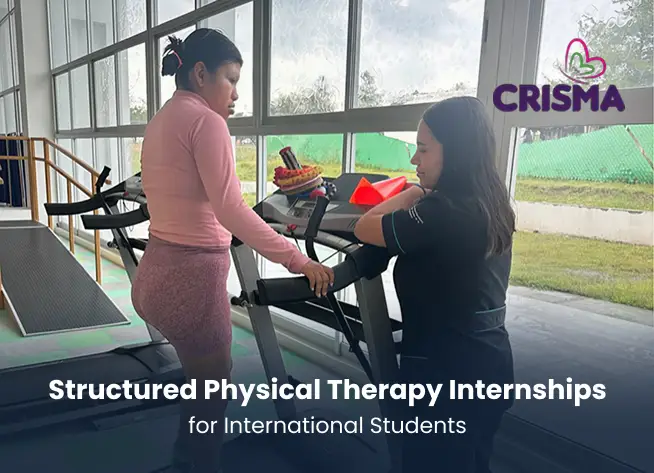
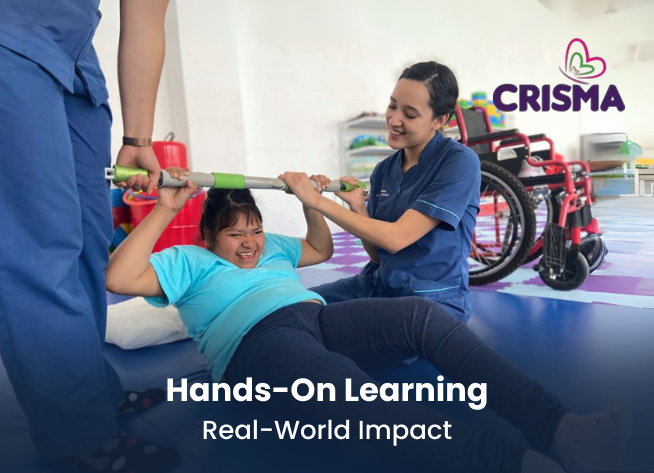
Pre-PT student participating in supervised physical therapy session
The internship program offers guided observation, mentorship, and hands-on exposure to prepare undergraduates for careers in physical therapy.

Planning Ahead

Start planning early. Research programs, understand application deadlines, and prepare any necessary documentation such as health clearances, visas, or insurance requirements. Clear planning ensures a smooth start to your internship, allowing you to focus on learning and growth once you’re on-site. Staying organized and proactive demonstrates professionalism, a trait every aspiring physical therapist should cultivate.

Conclusion

A physical therapy internship offers undergraduates an invaluable opportunity to gain real-world experience, develop essential skills, and immerse themselves in patient care. The internship program offered by CRISMA in Mexico provides the added benefit of cultural and clinical diversity, shaping students into well-rounded, empathetic future healthcare professionals. 

The internship program offers international students structured observation, mentorship, and hands-on experience in various therapy settings, enabling them to build confidence and clarity about their future careers. Contact us to discover how this opportunity can help you advance your journey toward becoming a skilled and compassionate physical therapist.


FAQs

1. What is a physical therapy internship, and why is it important?

A physical therapy internship is a structured experience that allows undergraduate students to observe and assist licensed therapists. It is essential for gaining hands-on knowledge, understanding patient care, and developing professional skills before applying to graduate programs.

2. How can I find physical therapy internships abroad?

Start by researching accredited programs, international healthcare organizations, or educational institutions offering clinical observation opportunities. Look for programs that provide mentorship, clear learning objectives, and exposure to diverse patient populations.

3. What skills can I gain from a physical therapist internship?

Interns develop observation and communication skills, clinical reasoning, cultural competency, and familiarity with treatment techniques. These experiences enhance confidence and prepare students for advanced studies in physical therapy.

4. Do I need prior experience to apply for a physical therapy internship?

While prior volunteer or healthcare experience is helpful, many programs accept motivated undergraduates with strong academic backgrounds. Highlighting coursework, volunteering, or relevant skills strengthens your application.

5. How do internships in Mexico benefit international pre-PT students?

Internships in Mexico offer exposure to different rehabilitation techniques, patient care approaches, and healthcare environments. Cultural immersion and cross-cultural communication further enhance empathy, adaptability, and global healthcare awareness.

The Future of Care – Why Pediatric Rehabilitation Observation Is a Critical Experience for Pre-Med Students

November 6, 2025

There’s a moment every future doctor remembers; a moment where medicine stops being an idea and becomes a calling. For many pre-med students, that moment arrives when they witness a young child take their first steps after months of hard work in Pediatric Rehabilitation.

It’s not just medical progress. It’s a life-changing transformation. Pediatric therapy rooms are filled with laughter, tiny victories, determined parents, and a healthcare team that celebrates every milestone with joy. Shadowing or observing this environment gives pre-med students something textbooks never can: the heart of medicine.

Why Pediatric Rehabilitation Matters in Modern Healthcare

Through pediatric physiotherapy shadowing, students can witness firsthand how care teams tailor their approach to a child’s abilities and emotional needs. They observe how families are guided, supported, and empowered, and how therapy becomes play while still leading to measurable improvement. This perspective prepares future doctors to be not just clinically skilled, but emotionally aware; something that is desperately needed in healthcare.

Real Learning Happens Beyond the Classroom

Medical textbooks are valuable, but they cannot teach the emotional depth of caring for a child who struggles to speak, walk, or hold a pencil. Observing real therapy sessions provides insights that no lecture can match.

During pediatric rehabilitation observation, pre-med students learn how physical and occupational therapists engage children in purposeful play. They observe how treatment plans are developed and adjusted over time, gaining an understanding of how small improvements can lead to significant change. Instead of just reading about gross and fine motor skills, students witness how these skills are practiced, strengthened, and celebrated. Somewhere between the first hesitant movement and the loud cheers that follow, students begin to understand why they want to become doctors.

What Watching Kids Teach Us About Resilience

Children do not approach therapy with fear; they approach it with determination. Whether they are learning to balance, improving coordination, or strengthening muscles, kids tackle each challenge with courage, and often with a smile.

Through pediatric therapy volunteer opportunities, students come to realize that healing is not a linear process, that resilience can be taught, and that children are master teachers in their own right. Pre-med students often leave these experiences surprised, not by how much they helped, but by how much they learned from the children.

Understanding the Collaborative Nature of Pediatric Care

Pediatric Rehabilitation is never the work of a single individual. Doctors, physical therapists, occupational therapists, nurses, speech therapists, and families collaborate to create a supportive environment. Observing this teamwork allows pre-med students to witness what holistic medicine looks like in action.

They learn how communication between providers ensures consistent care, how therapy goals are set based on functional outcomes, and how professionals adjust strategies to match a child’s progress and personality. It prepares students for the reality of patient care, where collaboration and empathy are just as important as knowledge.

Developing Emotional Intelligence – A Skill Doctors Need

In pediatrics, the smallest victories often mean the most. A new word spoken, a hand finally gripping a toy, or a first independent step can be monumental. Students who engage in pediatric physiotherapy shadowing learn to slow down and appreciate progress at the child’s pace. They become better listeners, show patience and encouragement, and witness unconditional support from therapists. In essence, they learn what empathy in healthcare truly looks like.

For a deeper look into how pediatric therapy transforms young lives, read the blog post, Early Therapy for Kids: Helping Little Ones Grow Strong and Confident, which explores how early support shapes lifelong confidence and independence.

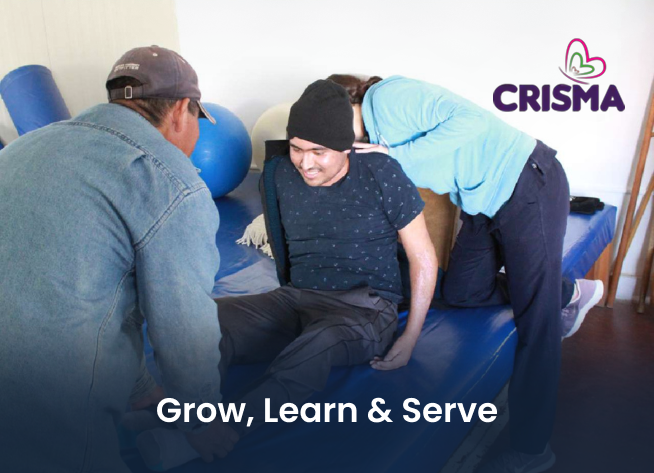
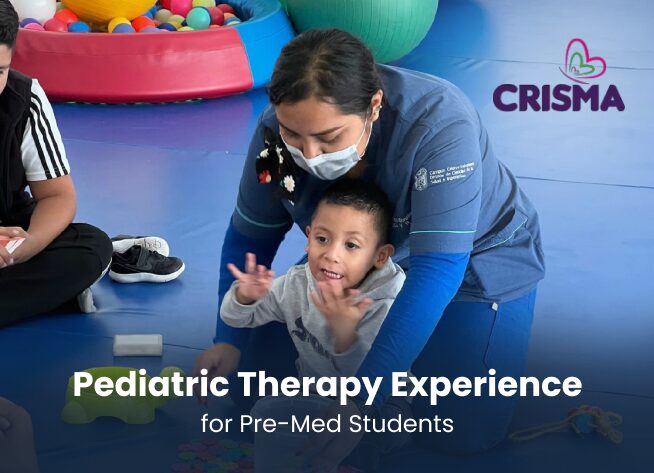
Pre-med students participating in pediatric therapy shadowing program, assisting therapists with exercises.
CRISMA offers immersive programs for pre-med students, including pediatric physiotherapy shadowing and volunteer opportunities in pediatric therapy.

The Future of Healthcare Starts With Heart

Through Pediatric Rehabilitation, future doctors learn to listen not only to symptoms but also to stories, building meaningful relationships with patients and families, and celebrating progress, no matter how small. If you are a pre-med student seeking an experience that will genuinely shape your approach to healthcare, pediatric rehabilitation observation is one of the most valuable opportunities you can pursue.

At CRISMA, we provide meaningful opportunities for pre-med students to gain hands-on experience and insight through observation. If you are ready to witness the heart of pediatric care, develop empathy, and learn from both children and dedicated professionals, contact us to learn more.

FAQs

What is pediatric rehabilitation observation, and why is it important for pre-med students?

Pediatric rehabilitation observation involves watching and learning from professionals as they provide therapy to children with developmental, neurological, or physical challenges. For pre-med students, it is important because it extends beyond textbook learning, offering insight into how healthcare providers integrate clinical knowledge with empathy and effective communication. Observing children’s progress, therapists’ strategies, and family interactions helps students understand the human side of medicine, which is essential for shaping compassionate future doctors.

How does pediatric physiotherapy shadowing benefit a student’s medical education?

Pediatric physiotherapy shadowing enables students to witness firsthand how therapy is tailored to each child’s unique needs, encompassing exercises, mobility training, and creative methods of engaging children in treatment. Students gain practical knowledge of therapeutic approaches, patient assessment, and treatment planning. More importantly, shadowing nurtures emotional intelligence, teaching pre-med students to appreciate progress in non-linear ways and to communicate effectively with young patients and their families—skills that are crucial in any medical specialty.

Can volunteering in pediatric therapy help pre-med students develop skills beyond clinical knowledge?

Yes. Participating as a pediatric therapy volunteer helps students develop empathy, patience, and strong interpersonal skills. They learn to build trust with children, encourage their participation in therapy, and support families as they navigate healthcare challenges. These experiences cultivate qualities that are invaluable in medicine, such as resilience, emotional awareness, and the ability to provide holistic care that addresses both physical and emotional needs.

What kind of experiences will students gain during pediatric rehabilitation observation?

Students will observe therapists interacting with children, implementing exercises, and adjusting treatment plans based on individual progress. They will see how therapists make therapy engaging and motivating while tracking measurable outcomes. Students also gain insight into multidisciplinary teamwork, observing how doctors, therapists, and families work together to coordinate care. This immersive exposure teaches students about the importance of collaboration, communication, and the personalized nature of pediatric healthcare.

How can pediatric rehabilitation observation impact a student’s future career in medicine?

This type of observation can significantly strengthen a student’s medical school application and professional development. It demonstrates a commitment to understanding patient-centered care, particularly in high-empathy settings. Students learn how early intervention can shape a child’s development, how therapy goals are set and achieved, and how emotional support complements clinical care. These lessons influence how future doctors approach patient care, making them more compassionate, attentive, and effective healthcare providers.

Why Physical Therapy Internships for Undergraduates Are Essential

September 19, 2025

Entering the world of healthcare is both exciting and challenging, especially for students aspiring to become physical therapists. While classroom learning provides the foundation, nothing compares to hands-on experience. This is where physical therapy internships come in, offering undergraduates the chance to gain valuable exposure, build skills, and deepen their passion for helping others.

The Value of Real-World Experience

Undergraduate students often find themselves eager to put theory into practice. Physical therapy internships for undergraduates bridge the gap between academic study and professional application. They allow students to step into clinical environments, observe patient care firsthand, and assist licensed therapists with supervised tasks.

Such opportunities not only reinforce what students learn in textbooks but also nurture empathy, patience, and communication – qualities essential to becoming an effective healthcare provider.

Learning Beyond the Classroom

Healthcare is about more than procedures and protocols. Internships provide a chance to understand the human side of medicine. Through physical therapy student internships, undergraduates interact with patients, see progress unfold, and witness how small improvements can transform lives.

These experiences often inspire a deeper commitment to the field, shaping students into compassionate professionals who value every step of a patient’s recovery journey.

Building Skills That Last a Lifetime

Whether assisting with therapeutic exercises, observing rehabilitation techniques, or supporting patient education, internships are rich with learning moments. The skills developed, such as critical thinking, adaptability, and problem-solving, extend beyond the clinic and prepare students for the demanding nature of healthcare work.

For many, a medical student internship or broader medical internship experience can confirm career choices or open new doors within the healthcare sector.

The Global Perspective

In today’s interconnected world, students increasingly seek physical therapy internships abroad. These programs not only enhance clinical exposure but also immerse students in different cultures, healthcare systems, and patient populations. Such experiences broaden horizons, teaching adaptability and cultural sensitivity – traits that are highly valued in modern healthcare.

Preparing for a Career in Healthcare

Undergraduates who complete internships enter graduate programs or professional roles with greater confidence and competence. They stand out in applications, interviews, and clinical rotations because they already understand the rhythm of patient care and the responsibility that comes with it.

More importantly, they carry with them the humility that comes from serving others and the resilience that develops when challenges arise.

CRISMA: A Pathway to Growth and Purpose

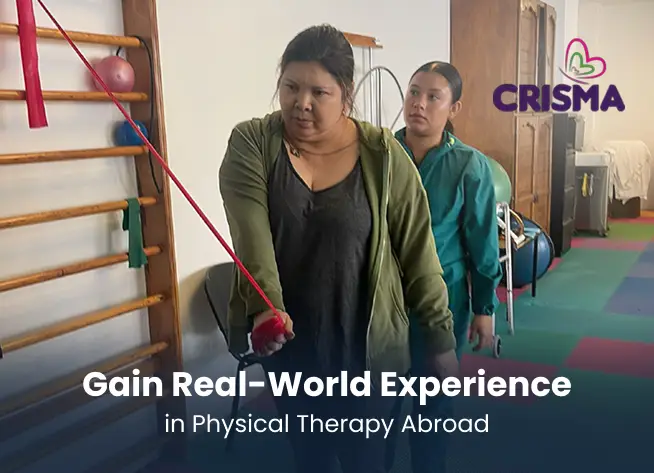
CRISMA physical therapy internship program with undergraduates working alongside healthcare professionals.
CRISMA provides meaningful physical therapy internships abroad, offering undergraduates opportunities to learn and grow in real healthcare settings.

Pursuing physical therapy internships as an undergraduate is more than a résumé booster – it is a journey of personal and professional growth. It is a chance to learn, serve, and grow into a compassionate healthcare professional ready to make a difference.

For undergraduates who are seeking this vital step, CRISMA’s Physical Therapy Internship program offers meaningful opportunities to gain the crucial experience required for any healthcare career. Contact us today to learn more and take the next step in your journey toward helping others heal.

FAQs

Why are physical therapy internships important for undergraduates?

Physical therapy internships give undergraduates hands-on experience that cannot be gained in a classroom. They allow students to observe real patient care, practice basic clinical skills under supervision, and build essential traits like empathy, communication, and adaptability. These experiences prepare students to succeed in advanced programs and future healthcare careers.

How do physical therapy internships for undergraduates differ from classroom learning?

Classroom learning provides theoretical knowledge, but internships bring that knowledge to life. During a physical therapist internship, students see how rehabilitation techniques work in practice, interact with patients, and understand the challenges and rewards of healthcare. This balance of theory and practice helps undergraduates grow into well-rounded, compassionate professionals.

What skills can students gain from physical therapy student internships?

Students gain both clinical and personal skills. Clinically, they may assist with therapeutic exercises, observe treatment plans, and learn about patient progress tracking. On a personal level, they develop critical thinking, problem-solving, cultural sensitivity, and patience. These transferable skills serve them well in any healthcare or medical setting.

Are physical therapy internships abroad beneficial?

Yes. Physical therapy internships abroad expose students to diverse patient populations, healthcare systems, and cultural approaches to care. This global perspective teaches adaptability and cultural awareness, qualities that are highly valued in healthcare. Such opportunities also deepen personal growth by challenging students to step outside of their comfort zones.

How can internships prepare undergraduates for healthcare careers?

By participating in medical student internships and physical therapy placements, undergraduates gain confidence, practical experience, and a clearer sense of professional direction. Internships help students stand out when applying to graduate programs, provide insight into the daily responsibilities of a healthcare provider, and build the resilience needed to thrive in demanding medical careers.