The global healer: why international medical volunteer opportunities are the ultimate pre-med asset
For many pre-med students, the journey toward a career in healthcare begins long before medical school. Classroom learning provides a strong foundation, but real growth often happens when students step outside familiar environments and experience healthcare in action. That is where international medical volunteer opportunities can make a powerful difference.
Working in healthcare settings abroad exposes students to new perspectives on medicine, patient care, and public health. It challenges them to adapt, communicate across cultures, and understand healthcare systems beyond their own communities. These experiences not only strengthen medical school applications but also shape the kind of compassionate, adaptable professionals the medical field truly needs.
For students who want more than textbooks and lectures, global volunteering offers a unique way to learn what medicine really means in the real world.
Why global healthcare exposure matters for pre-med students
Medicine is a universal profession, but healthcare systems vary widely across countries. Students who participate in international medical volunteer opportunities gain firsthand insight into how different communities approach medical care.
In many regions, healthcare providers work with limited resources while still delivering meaningful care to their patients. Observing this environment helps students understand the importance of adaptability, teamwork, and problem-solving.
Global healthcare exposure also broadens a student’s understanding of public health challenges. Conditions such as infectious diseases, limited access to care, and social determinants of health become much more tangible when seen in person rather than discussed in a classroom.
This kind of experience encourages future physicians to think more holistically about the role of medicine in society.
Learning beyond the classroom
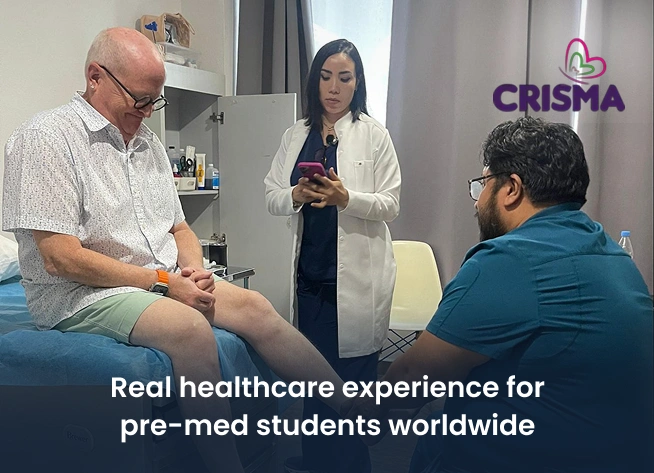
While academic preparation is essential, medicine is ultimately a hands-on profession. Students who participate in medical volunteer programs gain exposure to real clinical environments where they can observe healthcare professionals at work.
These experiences often include assisting with basic tasks, observing consultations, or supporting healthcare teams in clinics and community programs. While responsibilities vary depending on the program, students typically gain valuable insight into daily medical practice.
More importantly, volunteering allows students to witness the human side of healthcare. Interacting with patients, listening to their stories, and seeing how medical teams respond to challenges provides lessons that cannot be taught in a lecture hall.
For many pre-med students, these moments confirm that pursuing medicine is truly the right path.
Building cultural awareness and communication skills
Healthcare professionals often serve patients from diverse cultural backgrounds. Developing cultural awareness early can make a meaningful difference in how future doctors interact with patients.
Participating in medical volunteer opportunities abroad allows students to engage with communities that may have different beliefs, traditions, and expectations around healthcare. Navigating these differences requires patience, empathy, and strong communication skills.
Students learn how to explain ideas clearly, listen carefully, and approach situations with respect for cultural perspectives. These abilities are essential for physicians who aim to provide compassionate and effective care.
Experiences abroad also encourage students to step outside their comfort zones, which strengthens their confidence in unfamiliar situations.
Strengthening a medical school application
Medical schools often look for applicants who demonstrate initiative, compassion, and a genuine commitment to healthcare. Experiences gained through international medical volunteer opportunities can help students show these qualities in meaningful ways.
Admissions committees understand that global healthcare experiences require dedication and adaptability. Students who volunteer abroad often return with a deeper understanding of patient care and the realities of healthcare delivery.
Beyond the experience itself, volunteering provides valuable stories and insights that can strengthen personal statements and interviews. Students are able to reflect on real interactions, challenges, and moments of growth.
These reflections often reveal maturity, empathy, and motivation, which are qualities medical schools value highly.
Developing a global perspective on medicine
Healthcare challenges rarely exist in isolation. Many issues faced in one part of the world are connected to global trends such as migration, climate change, and economic inequality.
Students who explore medical volunteer programs abroad often gain a broader understanding of how global health issues affect communities differently. This perspective encourages future healthcare professionals to think beyond local systems and consider the bigger picture.
A global outlook can inspire students to pursue careers in public health, research, or international healthcare initiatives. Even those who eventually practice locally often carry forward the lessons learned from working in diverse healthcare environments.
Understanding global health challenges can shape a physician’s perspective for an entire career.
Discovering the human side of healthcare
Perhaps the most meaningful part of volunteering abroad is the opportunity to connect with people. Healthcare is ultimately about human relationships. It involves listening, understanding, and supporting patients during vulnerable moments.
Students involved in international medical volunteer opportunities often discover how powerful these connections can be. Even small acts of assistance or kindness can make a lasting impression on both the patient and the volunteer.
These experiences remind future doctors why they chose this path in the first place. They highlight the importance of empathy, compassion, and dedication in every aspect of patient care.
For many students, these moments become the most memorable part of their pre-med journey.
Preparing for the responsibilities of medicine
Becoming a physician requires more than academic excellence. It requires emotional resilience, curiosity, and a willingness to learn from every experience.
Students who participate in medical volunteer opportunities abroad often develop these qualities through real-world exposure. They observe how healthcare professionals handle complex situations, communicate with patients, and collaborate with their teams.
These experiences help students better understand the responsibilities that come with a career in medicine. They also prepare them for the challenges they will eventually face in medical school and beyond.
By stepping into healthcare environments early, students gain valuable insight into the realities of the profession.
A journey that shapes future physicians
For pre-med students seeking meaningful preparation for their future careers, global volunteering offers an experience unlike any other. Through international medical volunteer opportunities, students gain exposure to diverse healthcare systems, build cultural awareness, and develop a deeper understanding of patient care.
These experiences go far beyond strengthening an application. They help shape the mindset and values that define compassionate healthcare professionals.
At CRISMA, our medical volunteering program provides international pre-med students with valuable hands-on experience in real healthcare settings. If you are interested in exploring international medical volunteer opportunities and gaining meaningful clinical exposure, contact us today to learn more about our programs.
FAQs
1. Why are international medical volunteer opportunities valuable for pre-med students?
International medical volunteer opportunities allow pre-med students to gain real-world exposure to healthcare environments outside the classroom. These experiences help students observe how medical professionals interact with patients, manage limited resources, and work as part of a healthcare team. In addition to building clinical awareness, volunteering abroad helps students develop empathy, adaptability, and a broader understanding of global health challenges.
2. What can students expect to do in medical volunteer programs abroad?
In many medical volunteer programs, students assist healthcare teams with supportive tasks while observing clinical procedures and patient interactions. Depending on the program and location, volunteers may help with patient intake, organize medical supplies, or support community health initiatives. These experiences provide insight into daily medical practice while allowing students to learn directly from experienced healthcare professionals.
3. How do medical volunteer opportunities abroad strengthen a medical school application?
Participating in medical volunteer opportunities abroad demonstrates initiative, commitment to service, and a genuine interest in healthcare. Admissions committees often value applicants who have sought meaningful clinical exposure and shown a willingness to learn in diverse environments. These experiences also give students valuable stories and reflections that can strengthen personal statements and interviews.
4. What skills can students develop through international medical volunteering?
Students involved in international medical volunteer opportunities often develop skills that are essential for future physicians. These include communication, cultural awareness, teamwork, and problem-solving. Working in unfamiliar healthcare settings encourages students to adapt quickly and approach challenges with empathy and respect for different cultural perspectives.
5. How should students choose the right medical volunteer program abroad?
When selecting a program, students should look for opportunities that offer meaningful clinical exposure, proper supervision, and a supportive learning environment. It is important to choose programs that prioritize ethical volunteering practices and provide educational value. Researching the organization, understanding the program structure, and ensuring that the experience aligns with personal learning goals can help students make the most of their international volunteering experience.