Structure matters: 5 key features every reputable medical internship program should offer students
January 20, 2026

Choosing the right medical internship program can feel overwhelming, especially when you are preparing for a career where real lives, real patients, and real responsibility are involved. Whether you are studying medicine, nursing, physiotherapy, or another healthcare discipline, the structure of your internship plays a major role in how confident and prepared you feel when you step into professional practice.

For students exploring a medical internship for international students, structure becomes even more important. Being in a new country, adapting to a new healthcare system, and learning alongside unfamiliar teams requires clarity, consistency, and strong support. Below are five key features every reputable program should offer to ensure students gain meaningful, ethical, and well-rounded clinical experience.

1. Clear learning objectives and role definition

A strong program should never leave students guessing about their purpose. From day one, interns should understand what they are there to learn, how they will participate, and the boundaries of their role.

Clear learning objectives help students connect daily tasks with long-term career goals. Defined responsibilities ensure students are involved in appropriate clinical exposure without being overwhelmed or underutilised. This structure is especially valuable in an international medical internship, where healthcare practices and expectations may differ from what students are used to at home.

When expectations are transparent, students feel more confident, engaged, and motivated to learn.

2. Supervised clinical exposure with qualified professionals

Hands-on experience is central to any medical internship, but it must always be accompanied by appropriate supervision. Reputable programs ensure students work alongside licensed doctors, nurses, therapists, or specialists who are actively involved in patient care.

Supervision protects patient safety while providing students with opportunities to observe, ask questions, and gradually develop practical understanding. It also creates space for mentorship, in which professionals can share insights on clinical decision-making, ethics, and communication with patients and families.

For international students, this guided exposure helps bridge gaps between theory learned at university and real-world healthcare environments.

3. A structured weekly schedule that balances learning and reflection

A well-organised internship respects both learning and wellbeing. Students benefit from schedules that balance clinical observation, practical participation, educational sessions, and time for reflection.

A structured week allows interns to settle into routines, prepare for upcoming responsibilities, and process what they are seeing and learning. Reflection is particularly important in healthcare, where emotional experiences are common and personal growth goes hand in hand with clinical training.

In a medical internship for international students, a predictable schedule also helps students adjust to a new culture and healthcare system with less stress.

4. Ethical standards and patient-centred care

Ethics should be woven into every aspect of a medical internship program. Students should be taught to respect patient dignity, confidentiality, and informed consent at all times.

Reputable programs clearly explain what interns can and cannot do, ensuring students never feel pressured to act beyond their training. This ethical structure protects patients while reinforcing professional values that students will carry throughout their careers.

Exposure to patient-centred care across different cultural settings is one of the most valuable aspects of an international medical internship. It helps students develop empathy, cultural awareness, and strong communication skills.

5. Academic support, feedback, and documentation

Learning does not stop at observation. High-quality programs provide regular feedback so students understand their progress and areas for improvement. Constructive guidance helps interns grow with confidence and clarity.

Equally important is proper documentation. Completion letters, evaluations, and structured reports are often essential for academic credit or future applications. A reputable program recognises this and supports students with the paperwork they need.

For international students, this academic structure ensures the experience adds real value to their education and professional pathway.

Why structure makes all the difference

An internship is more than time spent in a hospital or clinic. It is a bridge between education and professional practice. Structure ensures that the bridge is safe, supportive, and meaningful.

A well-designed program offers guidance without pressure, learning without confusion, and exposure without risk. For students pursuing an international medical internship, these features are essential for confidence, growth, and long-term success.
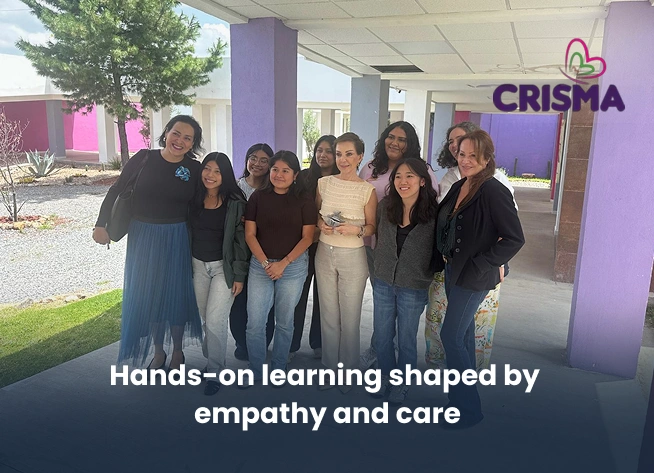
International medical internship program supporting healthcare students through structured clinical and educational experiences
International healthcare students participate in structured internship programs that combine clinical exposure, mentorship, and cultural immersion.

A thoughtful choice for international medical and healthcare students

For students seeking a structured, ethical, and supportive experience abroad, CRISMA’s medical internship program stands out for its commitment to learning, supervision, and student well-being. Designed specifically with international medical and healthcare students in mind, the program combines real clinical exposure with clear guidance and compassionate mentorship.

If you are considering a medical internship for international students and want an experience that truly supports your academic and professional journey, we invite you to contact us to learn more. We would be happy to help you take the next step with confidence and clarity.

FAQs

What makes structure so important in a medical internship program?

Structure helps students understand what they are learning, why it matters, and how each experience fits into their professional growth. A well-structured medical internship program provides clarity, reduces uncertainty, and allows students to focus on learning rather than trying to figure out expectations on their own.

How does supervision impact the quality of a medical internship experience?

Supervision ensures that students learn in a safe, ethical, and supportive environment. Working alongside qualified healthcare professionals allows interns to observe best practices, ask meaningful questions, and gradually build confidence while respecting patient care standards.

Is a medical internship for international students different from a local internship?

Yes, a medical internship for international students often includes additional layers of support. These may involve clearer role definitions, cultural orientation, and closer supervision to help students adapt to a new healthcare system while still gaining valuable clinical exposure.

What type of clinical exposure should students expect during an international medical internship?

Students should expect observational learning combined with guided participation appropriate to their level of training. A reputable international medical internship prioritises ethical involvement, patient safety, and gradual learning rather than unstructured or unsupervised tasks.

How can students tell if a medical internship program is reputable?

A reputable program clearly outlines learning objectives, supervision standards, ethical guidelines, and documentation support. Transparency, consistent feedback, and respect for student learning boundaries are strong indicators of a program designed with both education and patient care in mind.
More Than Just Observation – Finding Meaningful Healthcare Volunteer Opportunities With Direct Patient Interaction

December 8, 2025

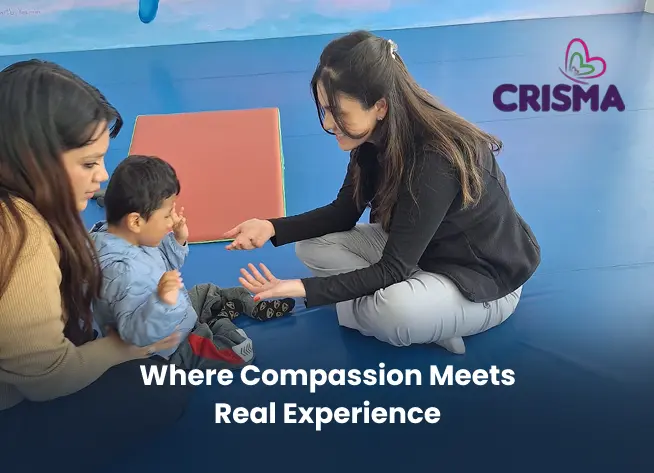
Finding your place in the medical field can feel both exciting and overwhelming. Many students start by exploring healthcare volunteer opportunities to understand which path feels right. But if you’ve ever shadowed from a distance and wished you could be more involved, you’re not alone. There is something deeply meaningful about stepping a little closer, supporting patients in real time, and gaining a fuller picture of what compassionate care actually looks like.

This desire for genuine connection often leads students to look beyond traditional hospital volunteer positions and seek roles that let them interact directly with patients. When volunteering becomes more than observation, it transforms from a résumé step into a human experience that can shape your heart, your confidence, and your future.

Why Direct Patient Interaction Matters

Observation teaches a lot, but participation teaches differently. When you have the chance to talk with patients, support their comfort, or help a medical team with hands-on tasks appropriate to your training level, you begin to understand healthcare not as a system but as a collection of stories.

You see how kindness eases fear.
You notice how the smallest gesture changes someone’s day.
You start to recognise the emotional side of healing, the one that textbooks rarely capture.

These moments help students develop empathy, communication skills, and clarity about the roles they may want to pursue in the future. They can also be a powerful reminder of why so many choose medicine in the first place.

What Meaningful Healthcare Volunteer Opportunities Look Like

Not every volunteer role will offer direct patient interaction. That’s why it’s important to look for volunteering programs that are intentional about giving students a meaningful level of participation. Some examples include:

  • Supporting physical therapy sessions by helping patients stay comfortable or encouraging them through exercises.
  • Assisting elderly patients with mobility, daily activities, or emotional companionship.
  • Helping in rehabilitation programs where patients benefit from positive, consistent interaction.
  • Working alongside nurses or therapists who guide volunteers through appropriate patient-centred tasks.

These experiences are safe, supervised, and structured around both patient well-being and student growth. They allow volunteers to participate without feeling like an outsider watching from a corner.

And if you’re exploring options internationally, you might also enjoy reading the blog titled Top International Medical Volunteer Opportunities for Students for more insights on programs that welcome students from around the world.

How Direct Interaction Helps You Grow

Volunteering in patient-facing settings helps you develop more than clinical curiosity. It builds confidence, compassion, cultural sensitivity, and the ability to respond calmly in emotional situations. These skills become part of who you are, not just what you know.

You also learn how multidisciplinary teams work together, how patients respond differently to care, and how recovery isn’t always a straight line. These lessons quietly shape your mindset long before you step into medical school or professional training. They give you real context for your future studies and a more grounded understanding of what it truly means to care for another person.

Building a Path That Feels Personal

The most meaningful healthcare experiences are the ones that feel personal, not transactional. When you get the chance to talk with patients, hear their stories, or simply hold space for them, you begin to see how interconnected medicine and humanity really are.

As you explore hospital volunteer positions or broader healthcare volunteer opportunities, remember that it’s okay to seek roles that feel purposeful. You’re not just building a résumé. You’re shaping the kind of caregiver you hope to become.

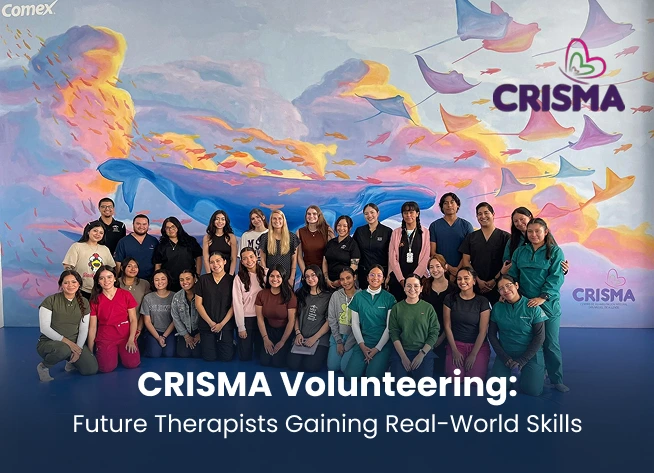
A group photograph of healthcare students participating in medical volunteering and shadowing through CRISMA programs
A group photo of healthcare students along with CRISMA physical therapists during CRISMA’s hands-on volunteer and shadowing programs, where students gain experience through guided patient interaction.

How CRISMA Helps You Find These Opportunities

If you’re looking for healthcare volunteer opportunities that offer genuine patient interaction, CRISMA provides structured programs that give students a safe, supportive space to grow. Our team focuses on creating meaningful volunteer experiences where compassion, learning, and real patient engagement come together.

If you feel ready to take the next step or want guidance on choosing the right volunteer path, we invite you to contact us to learn more. We’d be glad to help you find a place where your time, kindness, and curiosity can make a real difference.

FAQs

1. What makes Healthcare Volunteer Opportunities meaningful for students?

Meaningful volunteer opportunities give students the chance to interact directly with patients, learn from real clinical environments, and understand the emotional side of care. These experiences help students grow in empathy, communication, and confidence while also preparing them for future medical studies.

2. Do Hospital Volunteer Positions always include patient interaction?

Not always. Many hospital roles are observational or administrative. Students who want more hands-on, people-focused experiences should look for programs that specifically mention supervised patient engagement or rehabilitation support.

3. How can volunteering with direct patient interaction help me prepare for a medical career?

Direct patient interaction helps students understand how healthcare teams work, how patients respond to treatment, and how compassion plays a role in healing. These insights shape your mindset before entering medical school and provide a foundation for patient-centred thinking.

4. Are international Healthcare Volunteer Opportunities beneficial for students?

Yes. International experiences offer exposure to diverse healthcare settings, cultural perspectives, and patient needs. They also help students develop adaptability, humility, and broadened clinical awareness, which are valuable in any medical career.

5. How do I choose the right volunteer program for direct patient interaction?

Look for programs that clearly describe supervised clinical tasks, patient engagement responsibilities, and structured training. Seek organizations that prioritise safety, mentorship, and meaningful involvement rather than simple observation.

Top International Medical Volunteer Opportunities for Students

October 28, 2025

For students pursuing careers in healthcare, volunteering abroad is more than just an enriching experience; it’s an opportunity to gain practical skills, broaden cultural understanding, and make a tangible difference in communities around the world. Whether you are a pre-med student, nursing student, or aspiring healthcare professional, participating in medical volunteer opportunities can provide insight that textbooks simply cannot offer.

In this guide, we’ll explore some of the top international medical volunteer opportunities for students, highlighting how these experiences can shape your journey in the medical field.

Why Consider Medical Volunteer Opportunities Abroad?

Medical volunteer opportunities abroad allow students to step into diverse healthcare environments, often in under-resourced communities. These experiences help you:

  • Develop clinical skills

    Hands-on exposure in hospitals, clinics, or community health programs allows students to practice communication, patient care, and basic medical procedures under supervision.

  • Understand global health challenges

    Witnessing healthcare delivery in different countries highlights public health issues, resource limitations, and cultural approaches to medicine.

  • Enhance personal growth

    Living and working in a new country cultivates resilience, empathy, and cross-cultural communication skills; qualities vital for any healthcare professional.

Top International Medical Volunteer Opportunities

1. Clinical Shadowing Programs

Clinical shadowing allows students to observe experienced doctors, nurses, and healthcare staff in action. This experience is ideal for pre-med and nursing students who want to understand day-to-day hospital operations, patient interactions, and medical decision-making processes.

Benefits

  • Observe patient care and hospital workflows.
  • Gain insight into specialized fields like pediatrics, surgery, or emergency medicine.
  • Strengthen medical school applications through real-world exposure.

2. Community Health and Public Health Initiatives

Volunteering in community health programs gives students hands-on experience in preventive care, health education, and public health outreach. These opportunities often involve working in rural areas, health camps, or vaccination programs.

Benefits

  • Learn about population health and preventive medicine.
  • Contribute to meaningful community health interventions.
  • Build skills in patient communication and public health advocacy.

3. Nursing Student Volunteer Opportunities

Nursing students have unique opportunities abroad to assist with patient care, administer medications under supervision, and support nursing staff in hospitals or clinics. These experiences can be transformative for understanding patient care across different healthcare systems.

Benefits

  • Develop hands-on nursing skills in diverse environments.
  • Observe advanced nursing practices and teamwork.
  • Gain exposure to various patient demographics and medical conditions.

4. Specialized Medical Volunteer Programs

Many international volunteer organizations offer specialized programs in areas such as physiotherapy, maternal and child health, dental care, and mental health. Students can align their volunteering with their areas of interest to deepen their expertise while making a meaningful impact.

Benefits

  • Focus on your preferred medical specialty.
  • Work alongside experienced professionals in a structured learning environment.
  • Enhance your resume or CV with relevant international experience.
 Students engaged in CRISMA international medical volunteer programs, gaining hands-on healthcare experience
Join CRISMA and step into a world where compassion meets hands-on healthcare learning.

Making the Most of Your Volunteer Experience

To truly benefit from medical volunteer opportunities, students should:

  • Prepare thoroughly
    Research the country, culture, and healthcare system. 
  • Set learning goals
    Identify skills or knowledge you hope to gain. 
  • Reflect on experiences
    Maintain a journal to document insights, challenges, and lessons learned. 
  • Be adaptable and empathetic
    Embrace cultural differences and approach each interaction with compassion.

Conclusion

International medical volunteer opportunities offer students invaluable experiences that combine skill-building, cultural exchange, and meaningful service. From clinical shadowing to community health programs and specialized nursing roles, these opportunities allow aspiring healthcare professionals to gain a deeper understanding of global medicine while positively impacting communities.

CRISMA provides some of the best international medical volunteer opportunities for pre-med and healthcare students. Our programs are designed to be immersive, educational, and supportive, helping you grow both personally and professionally. Contact us today to learn more about how you can join a transformative volunteer experience abroad.

FAQs

1. What are medical volunteer opportunities, and why are they important for students?

Medical volunteer opportunities are programs where students assist healthcare professionals in clinical, community, or public health settings, often abroad. These experiences allow students to gain hands-on exposure to patient care, understand healthcare systems, and develop essential skills like communication, empathy, and problem-solving. Beyond practical experience, volunteering also provides insights into global health challenges and strengthens applications for medical school, nursing programs, or other healthcare careers.

2. How can nursing students benefit from volunteering abroad?

Nursing student volunteer opportunities offer practical experience in patient care, supporting nurses and healthcare staff in hospitals, clinics, or community health programs. Students can learn to administer basic treatments, observe advanced nursing practices, and interact with diverse patient populations. These experiences improve clinical confidence, enhance cross-cultural communication skills, and help students understand the unique challenges of delivering healthcare in different environments.

3. What types of international medical volunteer opportunities are available for students?

Students can choose from a range of international medical volunteer opportunities, including:

  • Clinical shadowing programs
    Observing doctors and healthcare teams in hospitals.
  • Community health initiatives
    Participating in health education, preventive care, and outreach programs.
  • Specialized volunteer programs
    Working in areas like physiotherapy, maternal and child health, mental health, or dental care. Each program provides hands-on experience while allowing students to focus on their areas of interest and career goals.

4. How should students prepare for volunteering abroad in the medical field?

Preparation is key to making the most of a volunteer experience. Students should:

  • Research the host country, its culture, and healthcare system.
  • Set clear learning objectives, such as clinical skills or public health knowledge they want to gain.
  • Ensure proper documentation, including visas, vaccinations, and travel insurance.
  • Approach the experience with flexibility, empathy, and an open mind to adapt to new environments and practices.

5. How can I find reputable international medical volunteer opportunities?

Finding reputable programs involves researching organizations that prioritize safety, structured learning, and meaningful impact. Look for programs with clear roles, experienced mentors, and opportunities for hands-on learning. Reading reviews, seeking recommendations from universities or mentors, and ensuring the program follows ethical volunteer standards are essential. Programs like those offered by CRISMA provide well-supported, immersive experiences tailored for international pre-med and healthcare students.

Top International Medical Volunteer Programs & Opportunities for Students

August 14, 2025

For students pursuing a career in healthcare, there are moments when textbooks and classrooms are simply not enough. To truly understand the heart of medicine, one must step into real communities, hear real stories, and be part of real care. This is where medical volunteer programs create a life-changing bridge between theory and practice. They open the door for students to connect with patients across cultures, witness the realities of global healthcare, and contribute meaningfully to the well-being of others.

International opportunities in medical volunteering go far beyond skill development. They shape empathy, resilience, and cultural sensitivity – qualities no exam can measure, but every great healthcare professional must possess.

Why Medical Volunteer Programs Are Transformative

Medical volunteer programs allow students to apply their classroom learning in settings that often differ vastly from their own. In under-resourced communities, the absence of advanced medical infrastructure challenges students to think creatively, adapt quickly, and work collaboratively.

These experiences do more than enhance technical skills. They build the ability to listen deeply, communicate across language barriers, and appreciate the cultural values that shape healthcare delivery in different parts of the world. For many students, volunteering abroad becomes a turning point in their career journey – a moment when they see medicine not just as a science, but as a calling.

Key Benefits of Medical Volunteer Opportunities Abroad

Participating in medical volunteer opportunities abroad offers several important benefits for students at different stages of their education:

  • Hands-on learning
    Students may assist in basic medical tasks, health screenings, or patient education under the supervision of licensed professionals.
  • Cultural immersion
    Working closely with local healthcare teams provides an authentic understanding of the community’s needs and traditions.
  • Personal growth
    Navigating new environments builds adaptability, problem-solving skills, and emotional resilience.
  • Global perspective
    Exposure to different healthcare systems encourages students to think beyond national boundaries when considering solutions to public health challenges.
  • Networking
    Students meet peers, mentors, and professionals who can guide and inspire their future career paths.

Types of International Medical Volunteer Programs

Medical volunteer abroad programs vary widely depending on the location, duration, and focus area. Students can find opportunities that match their skill level, interests, and career goals.

1. Community Health Outreach Programs

These programs focus on preventative care, education, and basic health services. Volunteers may participate in health fairs, teach hygiene practices, or assist in distributing medical supplies. They are ideal for students seeking early exposure to patient interaction in a supportive environment.

2. Clinical Shadowing Programs

Shadowing experienced healthcare professionals allows students to observe patient consultations, diagnostic procedures, and treatment plans. While direct hands-on care may be limited, the learning value is immense. Students gain insight into clinical decision-making and the patient-provider relationship.

3. Rural and Remote Medical Support

In rural or underserved areas, volunteers may assist with mobile clinics or temporary health posts. The work can be challenging due to limited resources, but it offers a deeper understanding of how healthcare adapts to local needs.

4. Public Health and Research Placements

Some medical volunteer opportunities abroad focus on public health projects such as disease prevention campaigns, health data collection, or environmental health initiatives. These programs are well-suited for students interested in population-level healthcare.

5. Specialized Medical Missions

Certain programs address specific health needs, such as dental care, maternal health, or rehabilitation therapy. These roles may require a more specific skill set, but can be deeply rewarding for students passionate about a particular area of healthcare.

How to Choose the Right Medical Volunteer Program

Finding the right medical volunteer program involves more than just selecting an appealing destination. Students should carefully evaluate:

  • Program goals
    Does the program’s mission align with your values and career interests?
  • Level of involvement
    Will you be shadowing, assisting, or actively participating in patient care?
  • Supervision and safety
    Are licensed medical professionals guiding the work? Is the program recognized for ethical volunteer practices?
  • Cultural preparation
    Does the program offer orientation or training on local customs and healthcare practices?
  • Impact and sustainability
    Will your contribution provide meaningful, long-term benefits to the community?

It is also essential to consider personal readiness. Volunteering abroad can be emotionally demanding, especially when working in environments with limited resources or witnessing health inequities firsthand.

Preparing for Your Medical Volunteer Experience

A successful experience in medical volunteer programs requires thoughtful preparation and planning. Students should:

  • Learn about the host country
    Understand its healthcare system, cultural norms, and current health challenges.
  • Review medical basics
    Brush up on common conditions you might encounter and relevant terminology in the local language.
  • Pack appropriately
    Bring necessary clothing, protective gear, and any recommended medical supplies.
  • Stay healthy
    Ensure that your vaccinations are up to date and follow all safety guidelines during your stay.
  • Keep an open mind
    Expect differences in communication, pacing, and available resources.

Flexibility, humility, and respect for local practices are as important as any technical knowledge you bring.

Challenges and Lessons from Volunteering Abroad

While the rewards are great, medical volunteer opportunities abroad can come with challenges. Students may encounter language barriers, resource limitations, or different approaches to patient care. These moments are not setbacks – they are opportunities to learn patience, empathy, and adaptability.

One of the most profound lessons is that healthcare is deeply human. Regardless of geography or technology, the fundamentals of care – listening, understanding, and responding with compassion – remain the same.

Making a Meaningful Impact Through CRISMA’s Medical Volunteer Programs

CRISMA medical volunteer program for international students in Mexico providing hands-on healthcare experience
International students participating in CRISMA’s medical volunteer program, supporting patient care and learning from local healthcare professionals.

Participating in medical volunteer programs can be a defining chapter in a student’s medical journey. These experiences shape not only skills but character, fostering a sense of global responsibility and cultural understanding that will last throughout a career.

CRISMA offers some of the best medical volunteer opportunities abroad for international healthcare and pre-med students in Mexico. Our programs combine clinical exposure with meaningful community engagement, ensuring students not only learn but also contribute in a way that is respectful and impactful. By working alongside experienced professionals in diverse healthcare settings, volunteers gain insights that extend far beyond medicine. These insights inspire compassion, fuel commitment, and enrich the overall journey toward becoming a healthcare professional.

FAQs

What can I expect to learn from a medical volunteer program abroad?

A medical volunteer program abroad offers both clinical exposure and cultural understanding. You may assist healthcare professionals, observe medical procedures, engage in basic patient care, and learn about healthcare challenges in underserved areas. This hands-on experience helps you develop practical skills while broadening your perspective on global health.

Do I need prior medical training to join a medical volunteer program?

Many medical volunteer opportunities abroad are open to students without prior clinical training. Roles are often tailored to your level of education and experience, with beginners assisting in non-invasive tasks and advanced students shadowing doctors or taking on more active roles. Always review the program’s eligibility requirements before applying.

How long do international medical volunteer opportunities usually last?

Program durations vary greatly. Some last just one or two weeks, while others extend for several months. Short-term placements are ideal for those with limited availability, while longer stays allow for deeper learning, stronger connections with local communities, and greater contribution to healthcare projects.

What challenges should I prepare for when volunteering in another country?

Volunteering abroad can present cultural, language, and environmental challenges. You may work in areas with limited resources, different medical practices, or unfamiliar social norms. Being adaptable, open-minded, and respectful of local customs will help you navigate these challenges while making the most of the experience.

How can volunteering abroad impact my future medical career?

Participating in a medical volunteer program can strengthen your medical school or residency application by demonstrating global health awareness, adaptability, and hands-on learning. More importantly, it cultivates empathy, cultural sensitivity, and problem-solving skills – qualities that benefit you throughout your medical career.