Structure matters: 5 key features every reputable medical internship program should offer students
Choosing the right medical internship program can feel overwhelming, especially when you are preparing for a career where real lives, real patients, and real responsibility are involved. Whether you are studying medicine, nursing, physiotherapy, or another healthcare discipline, the structure of your internship plays a major role in how confident and prepared you feel when you step into professional practice.
For students exploring a medical internship for international students, structure becomes even more important. Being in a new country, adapting to a new healthcare system, and learning alongside unfamiliar teams requires clarity, consistency, and strong support. Below are five key features every reputable program should offer to ensure students gain meaningful, ethical, and well-rounded clinical experience.
1. Clear learning objectives and role definition
A strong program should never leave students guessing about their purpose. From day one, interns should understand what they are there to learn, how they will participate, and the boundaries of their role.
Clear learning objectives help students connect daily tasks with long-term career goals. Defined responsibilities ensure students are involved in appropriate clinical exposure without being overwhelmed or underutilised. This structure is especially valuable in an international medical internship, where healthcare practices and expectations may differ from what students are used to at home.
When expectations are transparent, students feel more confident, engaged, and motivated to learn.
2. Supervised clinical exposure with qualified professionals
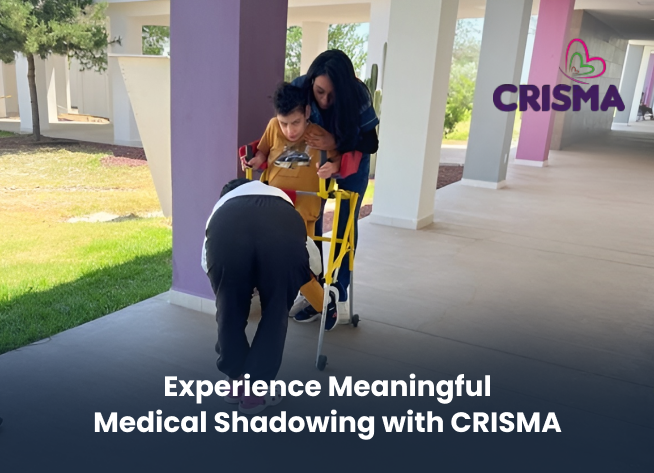
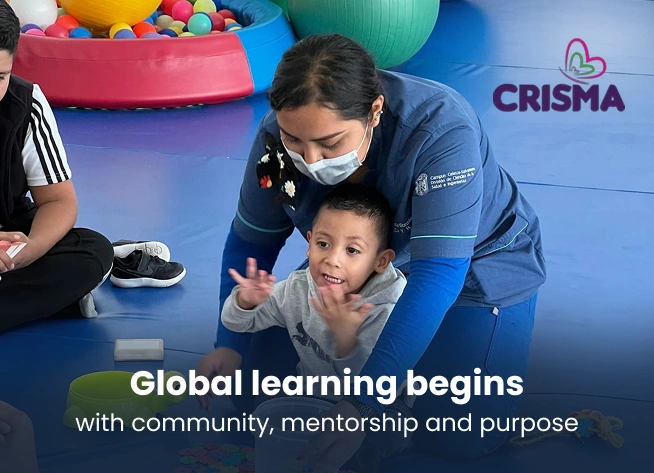
Hands-on experience is central to any medical internship, but it must always be accompanied by appropriate supervision. Reputable programs ensure students work alongside licensed doctors, nurses, therapists, or specialists who are actively involved in patient care.
Supervision protects patient safety while providing students with opportunities to observe, ask questions, and gradually develop practical understanding. It also creates space for mentorship, in which professionals can share insights on clinical decision-making, ethics, and communication with patients and families.
For international students, this guided exposure helps bridge gaps between theory learned at university and real-world healthcare environments.
3. A structured weekly schedule that balances learning and reflection
A well-organised internship respects both learning and wellbeing. Students benefit from schedules that balance clinical observation, practical participation, educational sessions, and time for reflection.
A structured week allows interns to settle into routines, prepare for upcoming responsibilities, and process what they are seeing and learning. Reflection is particularly important in healthcare, where emotional experiences are common and personal growth goes hand in hand with clinical training.
In a medical internship for international students, a predictable schedule also helps students adjust to a new culture and healthcare system with less stress.
4. Ethical standards and patient-centred care
Ethics should be woven into every aspect of a medical internship program. Students should be taught to respect patient dignity, confidentiality, and informed consent at all times.
Reputable programs clearly explain what interns can and cannot do, ensuring students never feel pressured to act beyond their training. This ethical structure protects patients while reinforcing professional values that students will carry throughout their careers.
Exposure to patient-centred care across different cultural settings is one of the most valuable aspects of an international medical internship. It helps students develop empathy, cultural awareness, and strong communication skills.
5. Academic support, feedback, and documentation
Learning does not stop at observation. High-quality programs provide regular feedback so students understand their progress and areas for improvement. Constructive guidance helps interns grow with confidence and clarity.
Equally important is proper documentation. Completion letters, evaluations, and structured reports are often essential for academic credit or future applications. A reputable program recognises this and supports students with the paperwork they need.
For international students, this academic structure ensures the experience adds real value to their education and professional pathway.
Why structure makes all the difference
An internship is more than time spent in a hospital or clinic. It is a bridge between education and professional practice. Structure ensures that the bridge is safe, supportive, and meaningful.
A well-designed program offers guidance without pressure, learning without confusion, and exposure without risk. For students pursuing an international medical internship, these features are essential for confidence, growth, and long-term success.

A thoughtful choice for international medical and healthcare students
For students seeking a structured, ethical, and supportive experience abroad, CRISMA’s medical internship program stands out for its commitment to learning, supervision, and student well-being. Designed specifically with international medical and healthcare students in mind, the program combines real clinical exposure with clear guidance and compassionate mentorship.
If you are considering a medical internship for international students and want an experience that truly supports your academic and professional journey, we invite you to contact us to learn more. We would be happy to help you take the next step with confidence and clarity.
FAQs
What makes structure so important in a medical internship program?
Structure helps students understand what they are learning, why it matters, and how each experience fits into their professional growth. A well-structured medical internship program provides clarity, reduces uncertainty, and allows students to focus on learning rather than trying to figure out expectations on their own.
How does supervision impact the quality of a medical internship experience?
Supervision ensures that students learn in a safe, ethical, and supportive environment. Working alongside qualified healthcare professionals allows interns to observe best practices, ask meaningful questions, and gradually build confidence while respecting patient care standards.
Is a medical internship for international students different from a local internship?
Yes, a medical internship for international students often includes additional layers of support. These may involve clearer role definitions, cultural orientation, and closer supervision to help students adapt to a new healthcare system while still gaining valuable clinical exposure.
What type of clinical exposure should students expect during an international medical internship?
Students should expect observational learning combined with guided participation appropriate to their level of training. A reputable international medical internship prioritises ethical involvement, patient safety, and gradual learning rather than unstructured or unsupervised tasks.
How can students tell if a medical internship program is reputable?
A reputable program clearly outlines learning objectives, supervision standards, ethical guidelines, and documentation support. Transparency, consistent feedback, and respect for student learning boundaries are strong indicators of a program designed with both education and patient care in mind.