A Pre-PT’s Guide – How to Secure Physical Therapy Internship for Undergraduates in Mexico
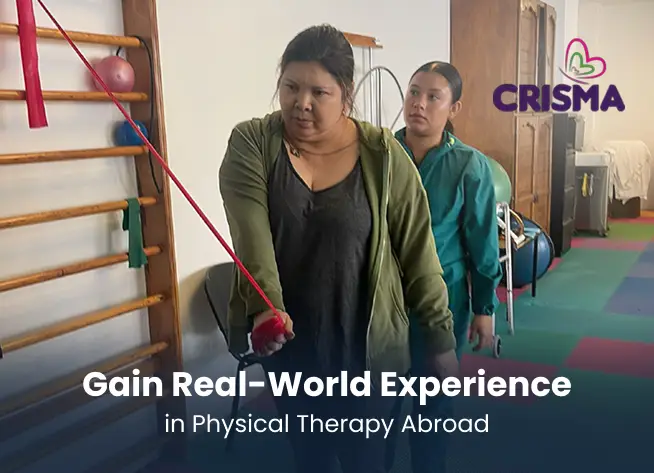
Gaining hands-on experience is a cornerstone of becoming a successful physical therapist. For undergraduate students, a physical therapy internship offers the chance to observe, learn, and practice in real-world settings. While the path may seem overwhelming, understanding the steps and opportunities available, especially through international programs, can make the journey smoother and more fulfilling. Physical therapy internships abroad offer a unique perspective on patient care, rehabilitation methods, and professional growth that goes beyond textbooks.
Why a Physical Therapy Internship Matters
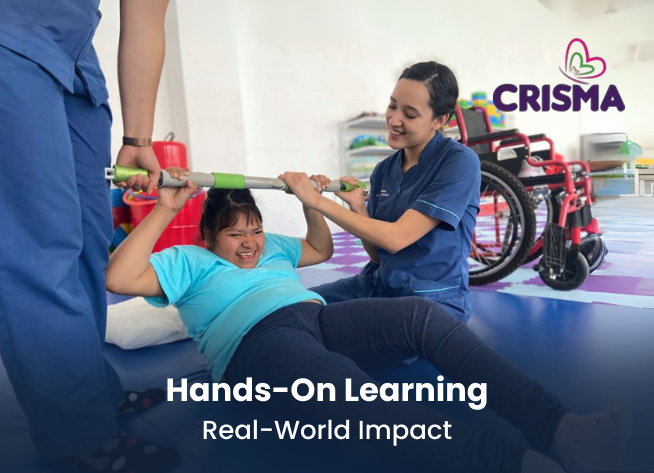
A physical therapist internship is more than just a resume booster. It provides students with exposure to diverse patient populations, various treatment techniques, and different healthcare systems. By observing and assisting licensed physical therapists, interns develop clinical reasoning, professional communication skills, and confidence in their ability to handle diverse patient needs. Whether it’s working with pediatric patients, adults recovering from injuries, or individuals with chronic conditions, the experience provides invaluable insight into the realities of a career in physical therapy.
Choosing the Right Internship
Not all internships are created equal. When exploring physical therapy internships, consider programs that provide structured learning, mentorship, and hands-on opportunities. For undergraduates, it’s essential to find internships that provide opportunities for active observation while fostering professional growth. Programs abroad, such as those in Mexico, often combine clinical experience with cultural immersion, providing students with a more comprehensive understanding of healthcare practices and patient care approaches across diverse settings.
Preparing to Apply
Securing a physical therapy internship requires preparation. Start by identifying programs that align with your career goals and availability. Ensure your application is complete with an updated résumé, letters of recommendation, and a personal statement reflecting your interest in physical therapy and your willingness to learn. Highlighting previous volunteer experience, coursework, and relevant skills can strengthen your application. A thoughtful approach shows initiative and eagerness, qualities that mentors and program coordinators highly value.
Making the Most of Your Internship
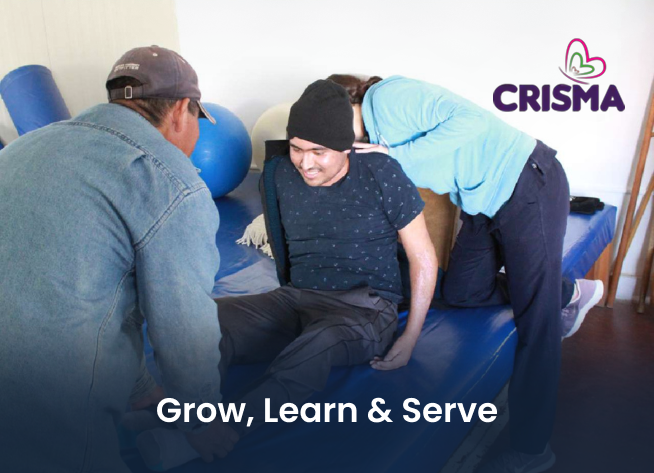
Once accepted, the key is active engagement. Ask questions, observe procedures, and take notes on treatment techniques and patient interactions to ensure effective care. Building strong professional relationships with your supervisors can provide guidance, mentorship, and even future opportunities. Participating in patient care under supervision, attending team meetings, and reflecting on your experiences daily can enhance learning and ensure that your time in the internship is both productive and meaningful.
Benefits of Physical Therapy Internships Abroad
Internships abroad offer a unique lens through which to view healthcare. Experiencing patient care in Mexico allows students to learn different rehabilitation techniques, adapt to new environments, and develop cross-cultural communication skills. The combination of clinical observation and cultural immersion broadens perspectives, helping students become more empathetic, adaptable, and globally aware healthcare professionals.
Planning Ahead
Start planning early. Research programs, understand application deadlines, and prepare any necessary documentation such as health clearances, visas, or insurance requirements. Clear planning ensures a smooth start to your internship, allowing you to focus on learning and growth once you’re on-site. Staying organized and proactive demonstrates professionalism, a trait every aspiring physical therapist should cultivate.
Conclusion
A physical therapy internship offers undergraduates an invaluable opportunity to gain real-world experience, develop essential skills, and immerse themselves in patient care. The internship program offered by CRISMA in Mexico provides the added benefit of cultural and clinical diversity, shaping students into well-rounded, empathetic future healthcare professionals.
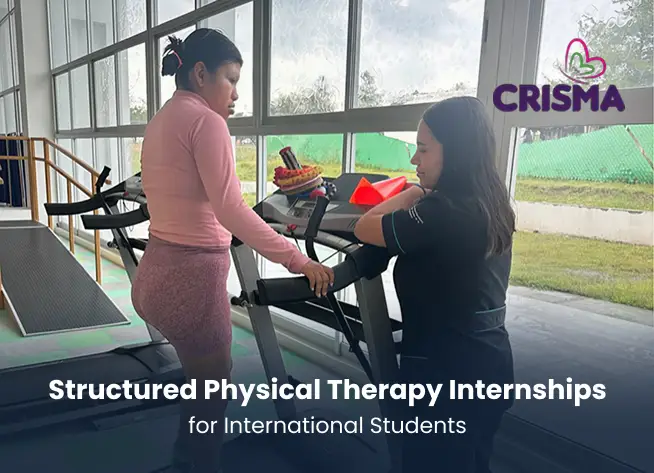
The internship program offers international students structured observation, mentorship, and hands-on experience in various therapy settings, enabling them to build confidence and clarity about their future careers. Contact us to discover how this opportunity can help you advance your journey toward becoming a skilled and compassionate physical therapist.
FAQs
1. What is a physical therapy internship, and why is it important?
A physical therapy internship is a structured experience that allows undergraduate students to observe and assist licensed therapists. It is essential for gaining hands-on knowledge, understanding patient care, and developing professional skills before applying to graduate programs.
2. How can I find physical therapy internships abroad?
Start by researching accredited programs, international healthcare organizations, or educational institutions offering clinical observation opportunities. Look for programs that provide mentorship, clear learning objectives, and exposure to diverse patient populations.
3. What skills can I gain from a physical therapist internship?
Interns develop observation and communication skills, clinical reasoning, cultural competency, and familiarity with treatment techniques. These experiences enhance confidence and prepare students for advanced studies in physical therapy.
4. Do I need prior experience to apply for a physical therapy internship?
While prior volunteer or healthcare experience is helpful, many programs accept motivated undergraduates with strong academic backgrounds. Highlighting coursework, volunteering, or relevant skills strengthens your application.
5. How do internships in Mexico benefit international pre-PT students?
Internships in Mexico offer exposure to different rehabilitation techniques, patient care approaches, and healthcare environments. Cultural immersion and cross-cultural communication further enhance empathy, adaptability, and global healthcare awareness.