The global healer: why international medical volunteer opportunities are the ultimate pre-med asset
March 20, 2026

For many pre-med students, the journey toward a career in healthcare begins long before medical school. Classroom learning provides a strong foundation, but real growth often happens when students step outside familiar environments and experience healthcare in action. That is where international medical volunteer opportunities can make a powerful difference.

Working in healthcare settings abroad exposes students to new perspectives on medicine, patient care, and public health. It challenges them to adapt, communicate across cultures, and understand healthcare systems beyond their own communities. These experiences not only strengthen medical school applications but also shape the kind of compassionate, adaptable professionals the medical field truly needs.

For students who want more than textbooks and lectures, global volunteering offers a unique way to learn what medicine really means in the real world.

Why global healthcare exposure matters for pre-med students

Medicine is a universal profession, but healthcare systems vary widely across countries. Students who participate in international medical volunteer opportunities gain firsthand insight into how different communities approach medical care.

In many regions, healthcare providers work with limited resources while still delivering meaningful care to their patients. Observing this environment helps students understand the importance of adaptability, teamwork, and problem-solving.

Global healthcare exposure also broadens a student’s understanding of public health challenges. Conditions such as infectious diseases, limited access to care, and social determinants of health become much more tangible when seen in person rather than discussed in a classroom.

This kind of experience encourages future physicians to think more holistically about the role of medicine in society.

Learning beyond the classroom

While academic preparation is essential, medicine is ultimately a hands-on profession. Students who participate in medical volunteer programs gain exposure to real clinical environments where they can observe healthcare professionals at work.

These experiences often include assisting with basic tasks, observing consultations, or supporting healthcare teams in clinics and community programs. While responsibilities vary depending on the program, students typically gain valuable insight into daily medical practice.

More importantly, volunteering allows students to witness the human side of healthcare. Interacting with patients, listening to their stories, and seeing how medical teams respond to challenges provides lessons that cannot be taught in a lecture hall.

For many pre-med students, these moments confirm that pursuing medicine is truly the right path.

Building cultural awareness and communication skills

Healthcare professionals often serve patients from diverse cultural backgrounds. Developing cultural awareness early can make a meaningful difference in how future doctors interact with patients.

Participating in medical volunteer opportunities abroad allows students to engage with communities that may have different beliefs, traditions, and expectations around healthcare. Navigating these differences requires patience, empathy, and strong communication skills.

Students learn how to explain ideas clearly, listen carefully, and approach situations with respect for cultural perspectives. These abilities are essential for physicians who aim to provide compassionate and effective care.

Experiences abroad also encourage students to step outside their comfort zones, which strengthens their confidence in unfamiliar situations.

Strengthening a medical school application

Medical schools often look for applicants who demonstrate initiative, compassion, and a genuine commitment to healthcare. Experiences gained through international medical volunteer opportunities can help students show these qualities in meaningful ways.

Admissions committees understand that global healthcare experiences require dedication and adaptability. Students who volunteer abroad often return with a deeper understanding of patient care and the realities of healthcare delivery.

Beyond the experience itself, volunteering provides valuable stories and insights that can strengthen personal statements and interviews. Students are able to reflect on real interactions, challenges, and moments of growth.

These reflections often reveal maturity, empathy, and motivation, which are qualities medical schools value highly.

Developing a global perspective on medicine

Healthcare challenges rarely exist in isolation. Many issues faced in one part of the world are connected to global trends such as migration, climate change, and economic inequality.

Students who explore medical volunteer programs abroad often gain a broader understanding of how global health issues affect communities differently. This perspective encourages future healthcare professionals to think beyond local systems and consider the bigger picture.

A global outlook can inspire students to pursue careers in public health, research, or international healthcare initiatives. Even those who eventually practice locally often carry forward the lessons learned from working in diverse healthcare environments.

Understanding global health challenges can shape a physician’s perspective for an entire career.

Discovering the human side of healthcare

Perhaps the most meaningful part of volunteering abroad is the opportunity to connect with people. Healthcare is ultimately about human relationships. It involves listening, understanding, and supporting patients during vulnerable moments.

Students involved in international medical volunteer opportunities often discover how powerful these connections can be. Even small acts of assistance or kindness can make a lasting impression on both the patient and the volunteer.

These experiences remind future doctors why they chose this path in the first place. They highlight the importance of empathy, compassion, and dedication in every aspect of patient care.

For many students, these moments become the most memorable part of their pre-med journey.

Preparing for the responsibilities of medicine

Becoming a physician requires more than academic excellence. It requires emotional resilience, curiosity, and a willingness to learn from every experience.

Students who participate in medical volunteer opportunities abroad often develop these qualities through real-world exposure. They observe how healthcare professionals handle complex situations, communicate with patients, and collaborate with their teams.

These experiences help students better understand the responsibilities that come with a career in medicine. They also prepare them for the challenges they will eventually face in medical school and beyond.

By stepping into healthcare environments early, students gain valuable insight into the realities of the profession.

A journey that shapes future physicians
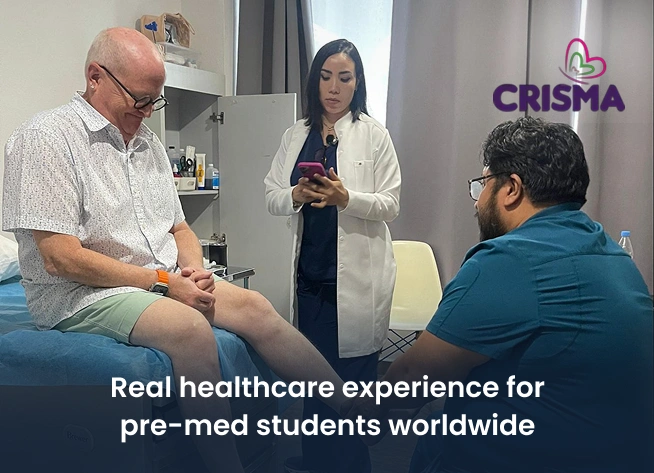
Pre-med students participating in CRISMA medical volunteering program in a clinical setting
CRISMA helps pre-med students gain hands-on medical experience abroad.

For pre-med students seeking meaningful preparation for their future careers, global volunteering offers an experience unlike any other. Through international medical volunteer opportunities, students gain exposure to diverse healthcare systems, build cultural awareness, and develop a deeper understanding of patient care.

These experiences go far beyond strengthening an application. They help shape the mindset and values that define compassionate healthcare professionals.

At CRISMA, our medical volunteering program provides international pre-med students with valuable hands-on experience in real healthcare settings. If you are interested in exploring international medical volunteer opportunities and gaining meaningful clinical exposure, contact us today to learn more about our programs.

FAQs

1. Why are international medical volunteer opportunities valuable for pre-med students?

International medical volunteer opportunities allow pre-med students to gain real-world exposure to healthcare environments outside the classroom. These experiences help students observe how medical professionals interact with patients, manage limited resources, and work as part of a healthcare team. In addition to building clinical awareness, volunteering abroad helps students develop empathy, adaptability, and a broader understanding of global health challenges.

2. What can students expect to do in medical volunteer programs abroad?

In many medical volunteer programs, students assist healthcare teams with supportive tasks while observing clinical procedures and patient interactions. Depending on the program and location, volunteers may help with patient intake, organize medical supplies, or support community health initiatives. These experiences provide insight into daily medical practice while allowing students to learn directly from experienced healthcare professionals.

3. How do medical volunteer opportunities abroad strengthen a medical school application?

Participating in medical volunteer opportunities abroad demonstrates initiative, commitment to service, and a genuine interest in healthcare. Admissions committees often value applicants who have sought meaningful clinical exposure and shown a willingness to learn in diverse environments. These experiences also give students valuable stories and reflections that can strengthen personal statements and interviews.

4. What skills can students develop through international medical volunteering?

Students involved in international medical volunteer opportunities often develop skills that are essential for future physicians. These include communication, cultural awareness, teamwork, and problem-solving. Working in unfamiliar healthcare settings encourages students to adapt quickly and approach challenges with empathy and respect for different cultural perspectives.

5. How should students choose the right medical volunteer program abroad?

When selecting a program, students should look for opportunities that offer meaningful clinical exposure, proper supervision, and a supportive learning environment. It is important to choose programs that prioritize ethical volunteering practices and provide educational value. Researching the organization, understanding the program structure, and ensuring that the experience aligns with personal learning goals can help students make the most of their international volunteering experience.
More Than Just Observation – Finding Meaningful Healthcare Volunteer Opportunities With Direct Patient Interaction

December 8, 2025

Finding your place in the medical field can feel both exciting and overwhelming. Many students start by exploring healthcare volunteer opportunities to understand which path feels right. But if you’ve ever shadowed from a distance and wished you could be more involved, you’re not alone. There is something deeply meaningful about stepping a little closer, supporting patients in real time, and gaining a fuller picture of what compassionate care actually looks like.

This desire for genuine connection often leads students to look beyond traditional hospital volunteer positions and seek roles that let them interact directly with patients. When volunteering becomes more than observation, it transforms from a résumé step into a human experience that can shape your heart, your confidence, and your future.

Why Direct Patient Interaction Matters

Observation teaches a lot, but participation teaches differently. When you have the chance to talk with patients, support their comfort, or help a medical team with hands-on tasks appropriate to your training level, you begin to understand healthcare not as a system but as a collection of stories.

You see how kindness eases fear.
You notice how the smallest gesture changes someone’s day.
You start to recognise the emotional side of healing, the one that textbooks rarely capture.

These moments help students develop empathy, communication skills, and clarity about the roles they may want to pursue in the future. They can also be a powerful reminder of why so many choose medicine in the first place.

What Meaningful Healthcare Volunteer Opportunities Look Like

Not every volunteer role will offer direct patient interaction. That’s why it’s important to look for volunteering programs that are intentional about giving students a meaningful level of participation. Some examples include:

  • Supporting physical therapy sessions by helping patients stay comfortable or encouraging them through exercises.
  • Assisting elderly patients with mobility, daily activities, or emotional companionship.
  • Helping in rehabilitation programs where patients benefit from positive, consistent interaction.
  • Working alongside nurses or therapists who guide volunteers through appropriate patient-centred tasks.

These experiences are safe, supervised, and structured around both patient well-being and student growth. They allow volunteers to participate without feeling like an outsider watching from a corner.

And if you’re exploring options internationally, you might also enjoy reading the blog titled Top International Medical Volunteer Opportunities for Students for more insights on programs that welcome students from around the world.

How Direct Interaction Helps You Grow

Volunteering in patient-facing settings helps you develop more than clinical curiosity. It builds confidence, compassion, cultural sensitivity, and the ability to respond calmly in emotional situations. These skills become part of who you are, not just what you know.

You also learn how multidisciplinary teams work together, how patients respond differently to care, and how recovery isn’t always a straight line. These lessons quietly shape your mindset long before you step into medical school or professional training. They give you real context for your future studies and a more grounded understanding of what it truly means to care for another person.

Building a Path That Feels Personal

The most meaningful healthcare experiences are the ones that feel personal, not transactional. When you get the chance to talk with patients, hear their stories, or simply hold space for them, you begin to see how interconnected medicine and humanity really are.

As you explore hospital volunteer positions or broader healthcare volunteer opportunities, remember that it’s okay to seek roles that feel purposeful. You’re not just building a résumé. You’re shaping the kind of caregiver you hope to become.

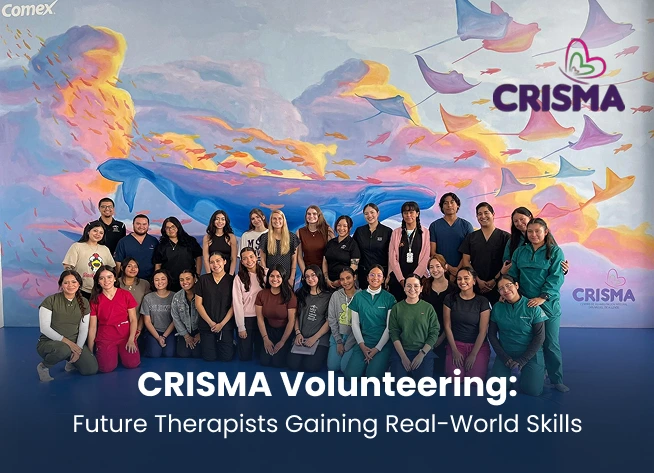
A group photograph of healthcare students participating in medical volunteering and shadowing through CRISMA programs
A group photo of healthcare students along with CRISMA physical therapists during CRISMA’s hands-on volunteer and shadowing programs, where students gain experience through guided patient interaction.

How CRISMA Helps You Find These Opportunities

If you’re looking for healthcare volunteer opportunities that offer genuine patient interaction, CRISMA provides structured programs that give students a safe, supportive space to grow. Our team focuses on creating meaningful volunteer experiences where compassion, learning, and real patient engagement come together.

If you feel ready to take the next step or want guidance on choosing the right volunteer path, we invite you to contact us to learn more. We’d be glad to help you find a place where your time, kindness, and curiosity can make a real difference.

FAQs

1. What makes Healthcare Volunteer Opportunities meaningful for students?

Meaningful volunteer opportunities give students the chance to interact directly with patients, learn from real clinical environments, and understand the emotional side of care. These experiences help students grow in empathy, communication, and confidence while also preparing them for future medical studies.

2. Do Hospital Volunteer Positions always include patient interaction?

Not always. Many hospital roles are observational or administrative. Students who want more hands-on, people-focused experiences should look for programs that specifically mention supervised patient engagement or rehabilitation support.

3. How can volunteering with direct patient interaction help me prepare for a medical career?

Direct patient interaction helps students understand how healthcare teams work, how patients respond to treatment, and how compassion plays a role in healing. These insights shape your mindset before entering medical school and provide a foundation for patient-centred thinking.

4. Are international Healthcare Volunteer Opportunities beneficial for students?

Yes. International experiences offer exposure to diverse healthcare settings, cultural perspectives, and patient needs. They also help students develop adaptability, humility, and broadened clinical awareness, which are valuable in any medical career.

5. How do I choose the right volunteer program for direct patient interaction?

Look for programs that clearly describe supervised clinical tasks, patient engagement responsibilities, and structured training. Seek organizations that prioritise safety, mentorship, and meaningful involvement rather than simple observation.

Top International Medical Volunteer Opportunities for Students

October 28, 2025

For students pursuing careers in healthcare, volunteering abroad is more than just an enriching experience; it’s an opportunity to gain practical skills, broaden cultural understanding, and make a tangible difference in communities around the world. Whether you are a pre-med student, nursing student, or aspiring healthcare professional, participating in medical volunteer opportunities can provide insight that textbooks simply cannot offer.

In this guide, we’ll explore some of the top international medical volunteer opportunities for students, highlighting how these experiences can shape your journey in the medical field.

Why Consider Medical Volunteer Opportunities Abroad?

Medical volunteer opportunities abroad allow students to step into diverse healthcare environments, often in under-resourced communities. These experiences help you:

  • Develop clinical skills

    Hands-on exposure in hospitals, clinics, or community health programs allows students to practice communication, patient care, and basic medical procedures under supervision.

  • Understand global health challenges

    Witnessing healthcare delivery in different countries highlights public health issues, resource limitations, and cultural approaches to medicine.

  • Enhance personal growth

    Living and working in a new country cultivates resilience, empathy, and cross-cultural communication skills; qualities vital for any healthcare professional.

Top International Medical Volunteer Opportunities

1. Clinical Shadowing Programs

Clinical shadowing allows students to observe experienced doctors, nurses, and healthcare staff in action. This experience is ideal for pre-med and nursing students who want to understand day-to-day hospital operations, patient interactions, and medical decision-making processes.

Benefits

  • Observe patient care and hospital workflows.
  • Gain insight into specialized fields like pediatrics, surgery, or emergency medicine.
  • Strengthen medical school applications through real-world exposure.

2. Community Health and Public Health Initiatives

Volunteering in community health programs gives students hands-on experience in preventive care, health education, and public health outreach. These opportunities often involve working in rural areas, health camps, or vaccination programs.

Benefits

  • Learn about population health and preventive medicine.
  • Contribute to meaningful community health interventions.
  • Build skills in patient communication and public health advocacy.

3. Nursing Student Volunteer Opportunities

Nursing students have unique opportunities abroad to assist with patient care, administer medications under supervision, and support nursing staff in hospitals or clinics. These experiences can be transformative for understanding patient care across different healthcare systems.

Benefits

  • Develop hands-on nursing skills in diverse environments.
  • Observe advanced nursing practices and teamwork.
  • Gain exposure to various patient demographics and medical conditions.

4. Specialized Medical Volunteer Programs

Many international volunteer organizations offer specialized programs in areas such as physiotherapy, maternal and child health, dental care, and mental health. Students can align their volunteering with their areas of interest to deepen their expertise while making a meaningful impact.

Benefits

  • Focus on your preferred medical specialty.
  • Work alongside experienced professionals in a structured learning environment.
  • Enhance your resume or CV with relevant international experience.
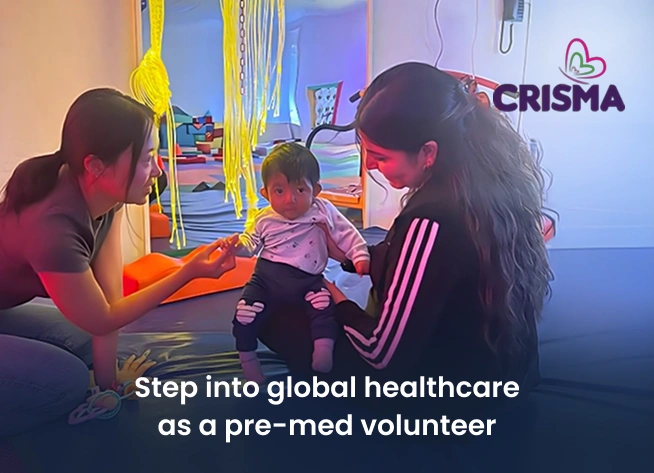
 Students engaged in CRISMA international medical volunteer programs, gaining hands-on healthcare experience
Join CRISMA and step into a world where compassion meets hands-on healthcare learning.

Making the Most of Your Volunteer Experience

To truly benefit from medical volunteer opportunities, students should:

  • Prepare thoroughly
    Research the country, culture, and healthcare system. 
  • Set learning goals
    Identify skills or knowledge you hope to gain. 
  • Reflect on experiences
    Maintain a journal to document insights, challenges, and lessons learned. 
  • Be adaptable and empathetic
    Embrace cultural differences and approach each interaction with compassion.

Conclusion

International medical volunteer opportunities offer students invaluable experiences that combine skill-building, cultural exchange, and meaningful service. From clinical shadowing to community health programs and specialized nursing roles, these opportunities allow aspiring healthcare professionals to gain a deeper understanding of global medicine while positively impacting communities.

CRISMA provides some of the best international medical volunteer opportunities for pre-med and healthcare students. Our programs are designed to be immersive, educational, and supportive, helping you grow both personally and professionally. Contact us today to learn more about how you can join a transformative volunteer experience abroad.

FAQs

1. What are medical volunteer opportunities, and why are they important for students?

Medical volunteer opportunities are programs where students assist healthcare professionals in clinical, community, or public health settings, often abroad. These experiences allow students to gain hands-on exposure to patient care, understand healthcare systems, and develop essential skills like communication, empathy, and problem-solving. Beyond practical experience, volunteering also provides insights into global health challenges and strengthens applications for medical school, nursing programs, or other healthcare careers.

2. How can nursing students benefit from volunteering abroad?

Nursing student volunteer opportunities offer practical experience in patient care, supporting nurses and healthcare staff in hospitals, clinics, or community health programs. Students can learn to administer basic treatments, observe advanced nursing practices, and interact with diverse patient populations. These experiences improve clinical confidence, enhance cross-cultural communication skills, and help students understand the unique challenges of delivering healthcare in different environments.

3. What types of international medical volunteer opportunities are available for students?

Students can choose from a range of international medical volunteer opportunities, including:

  • Clinical shadowing programs
    Observing doctors and healthcare teams in hospitals.
  • Community health initiatives
    Participating in health education, preventive care, and outreach programs.
  • Specialized volunteer programs
    Working in areas like physiotherapy, maternal and child health, mental health, or dental care. Each program provides hands-on experience while allowing students to focus on their areas of interest and career goals.

4. How should students prepare for volunteering abroad in the medical field?

Preparation is key to making the most of a volunteer experience. Students should:

  • Research the host country, its culture, and healthcare system.
  • Set clear learning objectives, such as clinical skills or public health knowledge they want to gain.
  • Ensure proper documentation, including visas, vaccinations, and travel insurance.
  • Approach the experience with flexibility, empathy, and an open mind to adapt to new environments and practices.

5. How can I find reputable international medical volunteer opportunities?

Finding reputable programs involves researching organizations that prioritize safety, structured learning, and meaningful impact. Look for programs with clear roles, experienced mentors, and opportunities for hands-on learning. Reading reviews, seeking recommendations from universities or mentors, and ensuring the program follows ethical volunteer standards are essential. Programs like those offered by CRISMA provide well-supported, immersive experiences tailored for international pre-med and healthcare students.

Medical Volunteering vs. Medical Shadowing Abroad: Which Experience is Right for You?

April 23, 2025

If you’re a medical student or aspiring healthcare professional dreaming of travel and global impact, you may be wondering whether to pursue medical volunteering or medical shadowing abroad. Both offer valuable experiences and insight into healthcare, but they cater to different goals and personalities. So, how do you choose?

Let’s examine the differences, the benefits, and how to determine which path is the best fit for you.

Understanding Medical Volunteering

Medical volunteering is a hands-on way to contribute to healthcare efforts in underserved communities. It typically involves active participation in clinical settings, public health initiatives, or therapy programs. Volunteers may assist with tasks like organizing clinics, supporting physical and occupational therapy, conducting health education workshops, or helping with patient intake and recordkeeping.

One of the biggest appeals of medical volunteer opportunities abroad is the chance to make a real difference. While you won’t be performing complex procedures (especially if you’re not yet licensed), your contribution still plays a meaningful role in patient care and community wellness.

Is Medical Volunteering Right for You?

Medical volunteering is ideal if:

  • You enjoy working with people and being part of a team
  • You’re eager to get involved in practical, hands-on activities
  • You want to give back and serve communities in need
  • You’re looking to grow your confidence and communication skills

You’ll need to be adaptable, culturally sensitive, and open to learning from real-world experiences. The emotional rewards of helping others, especially across language or cultural barriers, can be huge.

What Is Medical Shadowing?

Medical shadowing is more observational than active. Shadowing abroad involves following licensed healthcare professionals during their daily routines to learn about patient care, diagnostic methods, and clinical decision-making. You get a front-row seat to how doctors, therapists, or nurses interact with patients and collaborate with the rest of the healthcare team.

While you may not be participating directly, you’ll still gain valuable insight into the challenges and nuances of international healthcare.

Is Medical Shadowing Right for You?

Medical shadowing might be the better option if:

  • You’re early in your education and not yet ready for clinical involvement
  • You prefer watching and learning before diving in
  • You’re looking to observe multiple specialties or care settings
  • You want to gain a broader understanding of international medical systems

It’s especially useful if you’re planning to apply to medical or grad school and want exposure to different fields or cultural approaches to healthcare.

Medical Volunteering vs. Medical Shadowing: Key Differences

Here’s a quick comparison to help you see the contrast between these two types of international experiences:

Level of Involvement

Medical volunteering: Active participation

Medical shadowing: Primarily observation

Skill Development

Medical volunteering: Communication, empathy, teamwork, public health awareness
Medical shadowing: Critical thinking, clinical understanding, professional etiquette

Ideal For

Medical volunteering: Students looking to serve and gain practical experience
Medical shadowing: Students wanting insight into the medical profession without direct patient interaction

Type of Impact

Medical volunteering: Tangible community benefit
Medical shadowing: Personal and academic development

How International Medical Volunteering Helps Your Career

Participating in international medical volunteering can strengthen your resume or application. Schools and employers often look for candidates who demonstrate initiative, cross-cultural awareness, and a service mindset. Volunteering abroad showcases your ability to step out of your comfort zone and work in diverse environments.

It also helps you build soft skills like leadership, problem-solving, and adaptability—all essential in the medical field. Whether you’re helping organize a local health fair or supporting therapy sessions in a busy outpatient clinic, your contribution will stand out.

How Medical Shadowing Abroad Prepares You for the Future

On the flip side, medical shadowing provides a deeper understanding of the day-to-day life of healthcare professionals. It gives you exposure to real medical environments without the pressure of participating directly.

Shadowing offers clarity and inspiration for students still deciding which area of healthcare to pursue. You’ll learn how to communicate with patients respectfully, observe diagnostic techniques, and appreciate the pace and complexity of clinical settings.

Combining Both: The Best of Both Worlds

Some students find that the most rewarding path includes both medical shadowing and medical volunteering. Starting with shadowing can build your confidence and provide context. Then, transitioning into volunteering allows you to apply what you’ve learned in a more hands-on way.

Many programs, like those at CRISMA, allow flexibility. You might shadow therapists during one part of your rotation and then assist in therapy sessions or community outreach in another.

Final Thoughts: Choosing the Right Experience

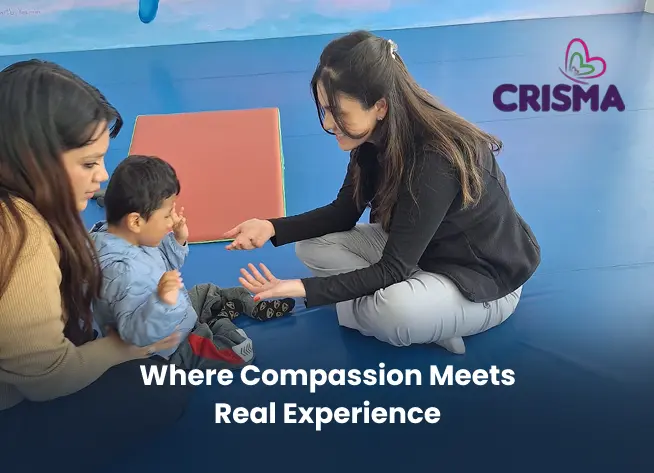
Students involved in medical volunteering and shadowing activities abroad
From assisting in patient care to observing skilled professionals, see how each experience shapes your future in healthcare.

So, should you choose medical volunteering or medical shadowing? That depends on your goals, experience level, and personal preferences.

Ask yourself:

  • Do I want to contribute directly to patient care or just observe?
  • Am I comfortable working hands-on, or do I prefer learning through observation?
  • What are my long-term goals, and which experience aligns better with them?

Whichever path you take, the experience will expand your understanding of healthcare and deepen your empathy and professionalism.

At CRISMA, we offer structured, ethical, and impactful programs for both medical volunteering and medical shadowing in San Miguel de Allende, Mexico. Our outpatient clinic and passionate team provide the perfect setting for learning, giving, and growing.

Contact us today to learn more about our programs and find the one that best fits your journey into medicine!