

There’s a moment every future doctor remembers; a moment where medicine stops being an idea and becomes a calling. For many pre-med students, that moment arrives when they witness a young child take their first steps after months of hard work in Pediatric Rehabilitation.
It’s not just medical progress. It’s a life-changing transformation. Pediatric therapy rooms are filled with laughter, tiny victories, determined parents, and a healthcare team that celebrates every milestone with joy. Shadowing or observing this environment gives pre-med students something textbooks never can: the heart of medicine.
Why Pediatric Rehabilitation Matters in Modern Healthcare
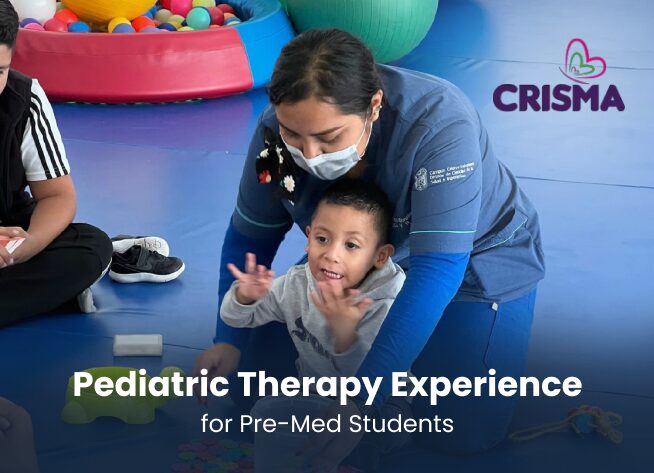
Through pediatric physiotherapy shadowing, students can witness firsthand how care teams tailor their approach to a child’s abilities and emotional needs. They observe how families are guided, supported, and empowered, and how therapy becomes play while still leading to measurable improvement. This perspective prepares future doctors to be not just clinically skilled, but emotionally aware; something that is desperately needed in healthcare.
Real Learning Happens Beyond the Classroom
Medical textbooks are valuable, but they cannot teach the emotional depth of caring for a child who struggles to speak, walk, or hold a pencil. Observing real therapy sessions provides insights that no lecture can match.
During pediatric rehabilitation observation, pre-med students learn how physical and occupational therapists engage children in purposeful play. They observe how treatment plans are developed and adjusted over time, gaining an understanding of how small improvements can lead to significant change. Instead of just reading about gross and fine motor skills, students witness how these skills are practiced, strengthened, and celebrated. Somewhere between the first hesitant movement and the loud cheers that follow, students begin to understand why they want to become doctors.
What Watching Kids Teach Us About Resilience
Children do not approach therapy with fear; they approach it with determination. Whether they are learning to balance, improving coordination, or strengthening muscles, kids tackle each challenge with courage, and often with a smile.
Through pediatric therapy volunteer opportunities, students come to realize that healing is not a linear process, that resilience can be taught, and that children are master teachers in their own right. Pre-med students often leave these experiences surprised, not by how much they helped, but by how much they learned from the children.
Understanding the Collaborative Nature of Pediatric Care
Pediatric Rehabilitation is never the work of a single individual. Doctors, physical therapists, occupational therapists, nurses, speech therapists, and families collaborate to create a supportive environment. Observing this teamwork allows pre-med students to witness what holistic medicine looks like in action.
They learn how communication between providers ensures consistent care, how therapy goals are set based on functional outcomes, and how professionals adjust strategies to match a child’s progress and personality. It prepares students for the reality of patient care, where collaboration and empathy are just as important as knowledge.
Developing Emotional Intelligence – A Skill Doctors Need
In pediatrics, the smallest victories often mean the most. A new word spoken, a hand finally gripping a toy, or a first independent step can be monumental. Students who engage in pediatric physiotherapy shadowing learn to slow down and appreciate progress at the child’s pace. They become better listeners, show patience and encouragement, and witness unconditional support from therapists. In essence, they learn what empathy in healthcare truly looks like.
For a deeper look into how pediatric therapy transforms young lives, read the blog post, Early Therapy for Kids: Helping Little Ones Grow Strong and Confident, which explores how early support shapes lifelong confidence and independence.
The Future of Healthcare Starts With Heart
Through Pediatric Rehabilitation, future doctors learn to listen not only to symptoms but also to stories, building meaningful relationships with patients and families, and celebrating progress, no matter how small. If you are a pre-med student seeking an experience that will genuinely shape your approach to healthcare, pediatric rehabilitation observation is one of the most valuable opportunities you can pursue.
At CRISMA, we provide meaningful opportunities for pre-med students to gain hands-on experience and insight through observation. If you are ready to witness the heart of pediatric care, develop empathy, and learn from both children and dedicated professionals, contact us to learn more.
FAQs
What is pediatric rehabilitation observation, and why is it important for pre-med students?
Pediatric rehabilitation observation involves watching and learning from professionals as they provide therapy to children with developmental, neurological, or physical challenges. For pre-med students, it is important because it extends beyond textbook learning, offering insight into how healthcare providers integrate clinical knowledge with empathy and effective communication. Observing children’s progress, therapists’ strategies, and family interactions helps students understand the human side of medicine, which is essential for shaping compassionate future doctors.
How does pediatric physiotherapy shadowing benefit a student’s medical education?
Pediatric physiotherapy shadowing enables students to witness firsthand how therapy is tailored to each child’s unique needs, encompassing exercises, mobility training, and creative methods of engaging children in treatment. Students gain practical knowledge of therapeutic approaches, patient assessment, and treatment planning. More importantly, shadowing nurtures emotional intelligence, teaching pre-med students to appreciate progress in non-linear ways and to communicate effectively with young patients and their families—skills that are crucial in any medical specialty.
Can volunteering in pediatric therapy help pre-med students develop skills beyond clinical knowledge?
Yes. Participating as a pediatric therapy volunteer helps students develop empathy, patience, and strong interpersonal skills. They learn to build trust with children, encourage their participation in therapy, and support families as they navigate healthcare challenges. These experiences cultivate qualities that are invaluable in medicine, such as resilience, emotional awareness, and the ability to provide holistic care that addresses both physical and emotional needs.
What kind of experiences will students gain during pediatric rehabilitation observation?
Students will observe therapists interacting with children, implementing exercises, and adjusting treatment plans based on individual progress. They will see how therapists make therapy engaging and motivating while tracking measurable outcomes. Students also gain insight into multidisciplinary teamwork, observing how doctors, therapists, and families work together to coordinate care. This immersive exposure teaches students about the importance of collaboration, communication, and the personalized nature of pediatric healthcare.
How can pediatric rehabilitation observation impact a student’s future career in medicine?
This type of observation can significantly strengthen a student’s medical school application and professional development. It demonstrates a commitment to understanding patient-centered care, particularly in high-empathy settings. Students learn how early intervention can shape a child’s development, how therapy goals are set and achieved, and how emotional support complements clinical care. These lessons influence how future doctors approach patient care, making them more compassionate, attentive, and effective healthcare providers.

Clinical Education Consultant


