
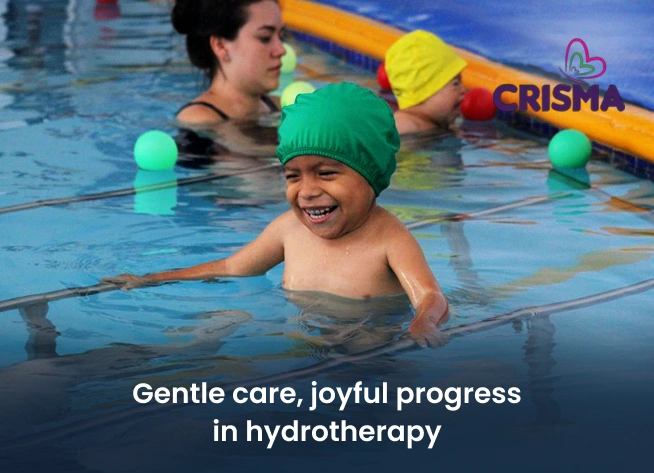
There is something quietly powerful about observation in healthcare. Before a student ever performs a technique or guides a patient through therapy, there is a season of watching, listening, and absorbing. In a Hydrotherapy shadowing program, observation is not passive. It is an intentional practice rooted in respect for both the patient and the profession.
Hydrotherapy spaces are often filled with vulnerability. Patients step into the water carrying pain, recovery goals, and sometimes uncertainty. As a result, ethical observation is not merely a guideline; it is a responsibility. When done thoughtfully, shadowing becomes a bridge between academic knowledge and compassionate care.
This article reflects on the values and best practices that help observation remain professional, respectful, and deeply human.
Why ethics matter in a Hydrotherapy shadowing program
At its core, healthcare is built on trust. Patients allow professionals into moments that are physically and emotionally personal. Anyone entering that environment, even as an observer, must understand the weight of that trust.
Ethical shadowing begins with recognizing that the patient is always the priority. Learning is important, but never at the expense of comfort or dignity. Observers should be mindful of body language, maintain an appropriate distance, and avoid unnecessary conversation during sensitive moments.
Confidentiality is equally essential. Stories heard in a therapy setting are not meant to be shared outside of it. Carrying that awareness early in one’s training helps shape integrity that lasts throughout a healthcare career.
When students approach observation with humility, patients often sense it. That quiet respect creates a space where learning can happen naturally.
Understanding the patient’s perspective
It helps to pause and consider the therapy room from the patient’s perspective. Stepping into a pool for rehabilitation can feel exposing, especially for someone adjusting to physical limitations.
A gentle introduction can make all the difference. When patients are informed that a student is present to learn, many respond with surprising generosity. Some even feel encouraged knowing their journey might help educate future healthcare providers.
Still, consent should never be assumed. Patients deserve the freedom to decline observation without explanation. Honoring that choice reflects emotional maturity and professional awareness.
Empathy grows when students remember that every exercise in the water represents effort, courage, and often months of perseverance.
Professional boundaries that protect everyone
Clear boundaries create psychological safety for patients, therapists, and observers alike. Students should resist the urge to step in unless invited by the supervising professional. Observation is about understanding clinical reasoning, communication styles, and therapeutic flow.
Professional attire, punctuality, and attentive behavior communicate seriousness without a single word being spoken. Even small gestures, such as silencing a phone or maintaining focus, reinforce respect for the clinical environment.
It is also wise to approach questions thoughtfully. Asking them at appropriate times rather than during active therapy demonstrates awareness and patience.
These habits may seem simple, but they quietly shape the kind of professional a student becomes.
How a Hydrotherapy shadowing program builds ethical awareness
A well-structured Hydrotherapy shadowing program does more than teach techniques. It gently introduces students to the moral framework of healthcare.
Through guided observation, students begin to notice how experienced therapists ask for consent, explain movements, and adapt when a patient feels discomfort. They learn that clinical expertise is inseparable from kindness.
Over time, observation sharpens emotional intelligence. Students start recognizing nonverbal cues such as hesitation, fatigue, or anxiety. Responding to these cues is what transforms technical care into compassionate care.
This stage of learning encourages reflection. Many students discover that healthcare is not about having all the answers, but about showing up with steadiness and respect.
The quiet role of volunteers in therapeutic spaces
Participating in a hydrotherapy volunteer program can further deepen a student’s understanding of service. Volunteers often support the flow of the therapy environment in practical yet meaningful ways.
Whether helping prepare equipment, maintaining a safe poolside area, or simply offering a reassuring presence, volunteers contribute to a setting where patients feel supported.
What matters most is attitude. A calm, observant volunteer who anticipates needs without seeking attention brings real value to the team.
These experiences often teach one of healthcare’s most enduring lessons. Every role, no matter how small it appears, has the potential to ease someone’s healing journey.
Common mistakes observers can gently avoid
Most missteps in shadowing come from enthusiasm rather than carelessness. Wanting to help is natural, but stepping beyond one’s role can disrupt both therapy and patient comfort.
Avoid treating the experience like a checklist. Patients are not case studies; they are individuals with fears, hopes, and stories that deserve sensitivity.
Another common oversight is focusing only on the physical techniques. Equally important is watching how therapists encourage patients, celebrate small milestones, and maintain patience during slower progress.
Taking mental notes instead of constant written ones can also help observers remain present in the moment.
Growing into a compassionate healthcare professional
Ethical observation is about awareness and growth.
Students who embrace this stage with openness often find that it shapes their professional identity in lasting ways. They begin to understand that skill and compassion must move together.
The water in a therapy pool supports the body, but the environment surrounding it should support the spirit as well. Observers who recognize this early carry forward a deeper sense of purpose.
In many ways, shadowing is the first invitation into the heart of healthcare.
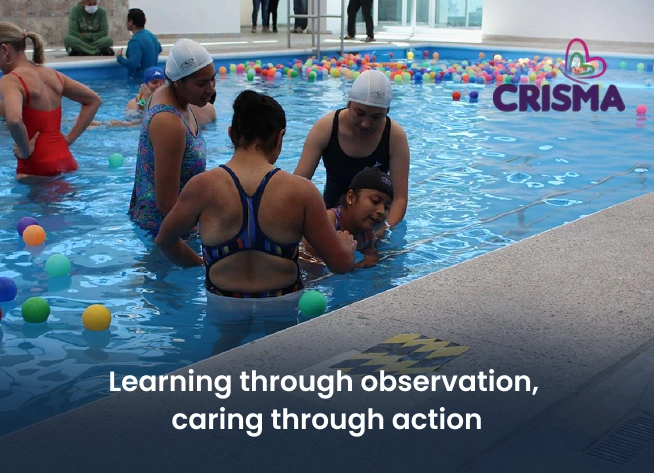
Where meaningful observation begins
For students seeking thoughtful, hands-on exposure to rehabilitation care, CRISMA offers a learning environment grounded in respect, mentorship, and patient-centered values. The organization provides one of the best Hydrotherapy shadowing program experiences for healthcare students who hope to gain meaningful medical shadowing insight while growing both professionally and personally.
Those who feel drawn to observe, learn, and serve are warmly encouraged to reach out. Contact us to learn more about the medical shadowing program, ask questions, and discover how the experience can support both personal and professional growth. A caring team is ready to guide each step, helping students move forward with clarity, confidence, and a deeper sense of purpose in healthcare.
FAQs
1. What is the purpose of a Hydrotherapy shadowing program?
A Hydrotherapy shadowing program allows students to observe licensed professionals as they guide patients through water-based rehabilitation. The purpose is not only to understand therapeutic techniques but also to witness how empathy, communication, and ethical awareness shape patient care. Observation helps students connect classroom knowledge with real-world clinical settings while learning the importance of professionalism and respect.
2. Why are ethics so important when observing hydrotherapy sessions?
Hydrotherapy often involves patients in physically vulnerable situations, which makes trust essential. Ethical observation ensures that patient dignity, privacy, and comfort remain protected at all times. When students learn to prioritize consent, confidentiality, and respectful behavior early on, they develop habits that support responsible and compassionate healthcare practice throughout their careers.
3. How should students behave while participating in a hydrotherapy volunteer program?
Students should approach the experience with humility, attentiveness, and a willingness to learn. Arriving on time, dressing appropriately, limiting distractions, and observing quietly all communicate professionalism. Questions are best asked at appropriate moments so therapy is never interrupted. Most importantly, students should remember that their presence is part of a patient-centered environment where sensitivity matters.
4. What can students learn from observing patient interactions in hydrotherapy?
Beyond clinical techniques, students gain insight into the emotional side of rehabilitation. They see how therapists encourage patients during difficult exercises, adapt treatments based on comfort levels, and celebrate small improvements. These moments teach that effective care involves patience and emotional intelligence, not just technical skill.
5. How does shadowing help students prepare for a future healthcare career?
Shadowing provides early exposure to the realities of patient care, helping students confirm their interests while building confidence in clinical environments. It nurtures qualities such as empathy, ethical judgment, and professional awareness. Over time, this foundation supports stronger decision-making and prepares students to enter healthcare spaces with both competence and compassion.

Clinical Education Consultant


